

Abstract
The accelerating energy consumption of data centers, foundational to global digital infrastructure, combined with an intensifying global focus on Environmental, Social, and Governance (ESG) responsibilities, has significantly propelled the adoption of sophisticated renewable energy sourcing strategies. This comprehensive report meticulously examines the multifaceted methodologies employed in renewable energy procurement, with a particular emphasis on established mechanisms such as Power Purchase Agreements (PPAs), utility-offered green tariffs, and the pivotal role of Renewable Energy Certificates (RECs). Beyond these core approaches, the analysis extends to exploring direct ownership, community solar initiatives, and emerging models like Energy as a Service. The report delves deeply into the diverse spectrum of renewable energy sources available, dissecting their unique characteristics and suitability for various corporate applications, especially within the demanding operational environment of data centers. Furthermore, it scrutinizes the complex array of procurement models, detailing their financial ramifications, including capital expenditure considerations, long-term operational savings, and the impact of various incentives. A critical examination of pertinent regulatory frameworks, spanning national, regional, and international policies, is undertaken to provide context for strategic decision-making. Finally, the report outlines rigorous methodologies and best practices for organizations to credibly achieve, track, and transparently report on their renewable energy commitments, emphasizing the importance of additionality and verifiable impact in fostering a sustainable energy future.
Many thanks to our sponsor Esdebe who helped us prepare this research report.
1. Introduction
Data centers stand as indispensable pillars of the modern digital economy, facilitating everything from cloud computing and artificial intelligence to global communication networks. However, this critical role comes with a substantial environmental footprint, as these facilities are unequivocally among the most energy-intensive consumers globally. The digital transformation sweeping across industries has led to an exponential increase in data center deployments and workloads, subsequently driving a surge in electricity demand. Concurrently, the imperative to mitigate the profound impacts of climate change has become a paramount global concern, prompting an urgent re-evaluation of energy sourcing across all sectors. Organizations worldwide are increasingly recognizing the strategic necessity of transitioning towards sustainable energy solutions, driven not only by environmental stewardship but also by compelling economic, reputational, and regulatory drivers.
This report provides an exhaustive, in-depth analysis of renewable energy procurement strategies, extending significantly beyond the foundational aspects to explore the intricacies and nuances of each approach. It places a particular emphasis on their profound relevance to the data center industry, where uninterrupted, reliable, and sustainable power is non-negotiable, while also addressing the broader corporate sector’s journey towards decarbonization. The discussion encompasses a wide array of renewable energy sources, examining their technological maturity, scalability, and environmental profiles. It dissects various procurement models, from direct investments to complex financial instruments, providing a detailed understanding of their structure, benefits, and inherent risks. Furthermore, the report meticulously evaluates the financial implications, including the potential for cost predictability, the leverage of governmental incentives, and the enhancement of long-term financial resilience. A comprehensive overview of the dynamic regulatory landscapes, from national policies to international agreements, offers critical insights into the evolving compliance requirements and market drivers. Finally, the report addresses the crucial aspects of credible target setting, transparent reporting, and third-party verification, all essential for demonstrating genuine progress and avoiding accusations of ‘greenwashing.’ By offering a granular examination of these interconnected elements, this analysis aims to equip stakeholders with the knowledge necessary to formulate robust, sustainable, and economically sound renewable energy strategies that align with both operational demands and overarching ESG objectives.
Many thanks to our sponsor Esdebe who helped us prepare this research report.
2. Types of Renewable Energy Sources
Renewable energy is derived from natural processes that replenish constantly, offering a sustainable alternative to finite fossil fuels. A diverse portfolio of these sources exists, each possessing unique characteristics, technological maturities, and suitability profiles for varied applications, particularly within the energy-intensive realm of data centers.
2.1 Solar Energy
Solar power, the most abundant energy resource on Earth, harnesses radiant energy from the sun. Its conversion into usable electricity primarily occurs through two main technologies: photovoltaic (PV) systems and concentrated solar power (CSP). PV systems directly convert sunlight into electricity using semiconductor materials, typically silicon, and are highly scalable, ranging from rooftop installations to vast utility-scale solar farms. Recent decades have witnessed remarkable advancements in PV technology, leading to significant increases in efficiency and drastic reductions in manufacturing costs, making solar an increasingly economically competitive option. For data centers, solar energy presents several compelling advantages: it can be deployed on-site (rooftops, adjacent land) for direct consumption, reducing transmission losses and enhancing energy independence, or procured from off-site utility-scale projects via PPAs. Its modular nature allows for phased deployment and expansion, aligning with the incremental growth strategies of many data center operators. However, solar’s inherent intermittency—its dependence on sunlight availability—necessitates complementary solutions like battery energy storage systems (BESS) or hybrid configurations with other dispatchable power sources to ensure continuous, reliable power for critical loads. Geographical location, specifically solar irradiance levels, plays a significant role in determining the economic viability and output stability of solar projects.
2.2 Wind Energy
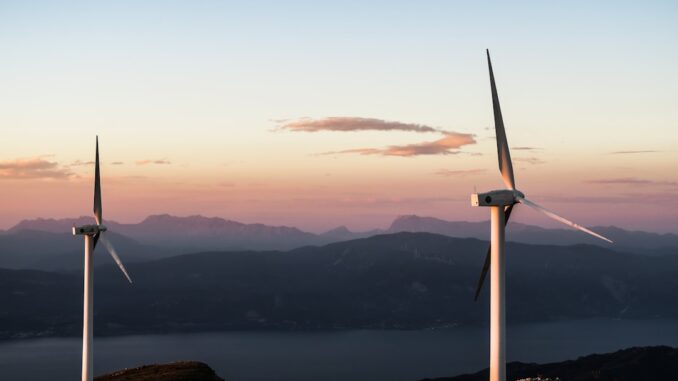
Wind power leverages the kinetic energy of moving air to drive large turbines, which in turn generate electricity. This technology has evolved dramatically, with modern wind turbines reaching impressive scales, both in height and rotor diameter, leading to enhanced efficiency and capacity factors. Wind energy can be categorized into two primary forms: onshore and offshore. Onshore wind farms are typically located in vast open areas with consistent wind resources, often in rural or remote regions. They are relatively mature and cost-effective, but can face challenges related to land use, visual impact, and noise. Offshore wind farms, by contrast, are deployed in coastal waters, benefiting from stronger, more consistent winds and fewer land-use constraints. They offer substantial generation capacity, as exemplified by projects like the London Array in the UK, one of the world’s largest offshore wind farms, which can power hundreds of thousands of homes. While initial capital costs and operational complexities for offshore projects are higher, their superior capacity factors and potential for massive scale make them significant contributors to renewable energy portfolios. For data centers, particularly those needing large, consistent power blocks, wind energy, especially from well-sited utility-scale projects, can be a highly attractive option when procured through long-term PPAs, offering stable pricing and substantial carbon emissions reductions. Like solar, wind power’s intermittency requires careful grid integration strategies and often relies on diverse generation portfolios or storage solutions to ensure grid stability.
2.3 Geothermal Energy
Geothermal energy harnesses the Earth’s internal heat, a continuous and reliable power source derived from deep within the planet’s crust. Unlike solar and wind, geothermal power plants can operate 24/7, providing a stable, baseload supply of electricity. There are several types of geothermal power plants: dry steam, flash steam, and binary cycle. Dry steam plants use steam directly from the earth to drive turbines. Flash steam plants convert hot geothermal fluids into steam. Binary cycle plants, the most common type for lower temperature resources, use a secondary working fluid with a lower boiling point to drive a turbine. While geographically specific—requiring access to geothermal reservoirs, often in seismically active regions like the ‘Ring of Fire’—where available, it offers a distinct advantage of high capacity factors and minimal land footprint per unit of energy generated. Beyond electricity generation, geothermal energy has significant applications in direct use for heating and, notably for data centers, advanced cooling systems. Data centers produce substantial waste heat, and innovative designs can integrate geothermal loops to provide efficient, low-energy cooling, contributing to a lower Power Usage Effectiveness (PUE) ratio. This dual benefit of electricity generation and direct cooling makes geothermal a uniquely suitable, albeit geographically constrained, renewable energy option for certain data center developments.
2.4 Hydropower
Hydropower, the conversion of the energy of flowing water into electricity, is one of the oldest and most established forms of renewable energy. It accounts for a significant portion of global renewable electricity generation, particularly from large-scale projects. Hydropower can be broadly categorized into conventional (dam-based) and run-of-river systems. Conventional hydropower facilities involve the construction of dams to create reservoirs, storing large volumes of water that can be released to drive turbines when electricity is needed, offering a highly dispatchable and flexible power source. This dispatchability makes it an excellent complement to intermittent renewables like solar and wind. Run-of-river systems divert a portion of a river’s flow through a turbine and return it downstream, typically with less environmental impact than large dams but also less storage capacity and dispatchability. While large-scale hydropower projects can have significant environmental and social impacts (e.g., habitat alteration, displacement of communities), smaller-scale and properly managed projects offer clean, reliable power. For data centers, especially those located in regions with abundant and existing hydropower resources, procurement via PPAs can offer a very stable, low-carbon baseload supply. The long operational life and low operating costs of hydropower plants make them attractive for long-term energy contracts.
2.5 Biomass and Bioenergy
Biomass energy is derived from organic matter—such as agricultural waste, forest residues, energy crops, and municipal solid waste—which can be converted into heat, electricity, or liquid fuels. This conversion typically occurs through combustion, gasification, or anaerobic digestion. While often considered carbon-neutral because the CO2 released during combustion is theoretically reabsorbed by new plant growth, the sustainability of biomass is a subject of ongoing debate, particularly concerning feedstock sourcing, land use change, and the lifecycle emissions associated with harvesting, processing, and transport. When sourced sustainably, using waste products or dedicated energy crops that do not compete with food production, bioenergy can offer a dispatchable renewable power source, complementing intermittent renewables. For data centers, bioenergy can potentially provide baseload power or serve as a backup generator, though its widespread adoption is less common than solar or wind due to scale, feedstock availability, and stricter sustainability criteria being applied to corporate renewable commitments.
2.6 Ocean Energy (Tidal and Wave)
Ocean energy encompasses a range of emerging technologies that harness the immense power of the oceans, including tidal energy and wave energy. Tidal energy exploits the predictable rise and fall of ocean tides, which are driven by gravitational forces, using barrages or in-stream turbines. Wave energy captures the kinetic energy of ocean surface waves. These technologies are in earlier stages of commercial development compared to solar and wind, facing challenges related to harsh marine environments, high capital costs, and complex grid integration. However, ocean energy offers the significant advantage of high predictability and consistency, particularly for tidal power, which operates on a reliable lunar cycle. While not yet a mainstream procurement option for most data centers, continued research and development may unlock its potential as a robust, baseload renewable energy source in coastal regions in the future, contributing to a diversified global energy mix.
Many thanks to our sponsor Esdebe who helped us prepare this research report.
3. Renewable Energy Procurement Models
Organizations seeking to integrate renewable energy into their operations have access to a sophisticated and evolving array of procurement models. The choice of model is often dictated by factors such as financial capacity, risk appetite, geographical location, regulatory environment, and specific sustainability objectives.
3.1 Power Purchase Agreements (PPAs)
Power Purchase Agreements (PPAs) represent a cornerstone of corporate renewable energy procurement, particularly for large energy consumers like data centers. These are long-term contracts, typically spanning 10 to 20 years, between a buyer (offtaker) and a renewable energy producer (developer). PPAs provide both parties with significant benefits: they offer the buyer a stable, predictable energy supply and price, often at a fixed or indexed rate, shielding them from volatile wholesale electricity markets. For the developer, PPAs secure a guaranteed revenue stream, which is crucial for financing the construction and operation of new renewable energy projects.
PPAs can be broadly categorized:
-
Physical (Sleeved) PPA: In a physical PPA, the renewable energy generator directly delivers electricity to the buyer through the existing grid infrastructure. This often involves a ‘sleeving’ utility that handles transmission, distribution, and balancing services, effectively ‘sleeving’ the renewable energy from the generator to the buyer’s meter. The buyer pays the utility for these services and any power imbalance, in addition to paying the generator for the renewable electricity. This model typically involves actual energy delivery and often leads to the retirement of associated RECs on behalf of the buyer, ensuring direct attribution of renewable energy use. Physical PPAs are common in deregulated energy markets where buyers can choose their electricity supplier.
-
Virtual (Synthetic) PPA (VPPA): A VPPA is a purely financial contract that does not involve the physical delivery of electricity to the buyer’s facility. Instead, it functions as a financial hedge against electricity price volatility. The buyer and the renewable energy project agree on a ‘strike price’ for electricity. The project sells its generated power into the wholesale market at the prevailing market price. If the market price is above the strike price, the project pays the difference to the buyer. Conversely, if the market price falls below the strike price, the buyer pays the difference to the project. This financial settlement allows the buyer to stabilize their electricity costs without altering their physical electricity supplier. VPPAs are particularly attractive for companies with distributed operations across various grids or in regulated markets where direct physical procurement is challenging. They also come with associated RECs, which are typically transferred to the buyer to substantiate their renewable energy claims.
-
On-site PPA: An on-site PPA involves a renewable energy project, usually solar, built directly on the buyer’s property or an adjacent parcel, with a direct wire connection. A third-party developer finances, installs, owns, and operates the system, selling the generated electricity to the host organization at a predetermined rate. This model provides direct consumption of renewable energy, often at a lower cost than grid power, eliminates transmission losses, and enhances energy resilience. For data centers, on-site PPAs can offer highly localized, reliable power, reducing dependence on the grid for a portion of their load.
PPAs are instrumental in driving the ‘additionality’ of renewable energy, meaning they directly contribute to the financing and development of new renewable energy capacity, rather than simply purchasing existing clean energy.
3.2 Green Tariffs
Green tariffs are utility-offered programs that allow large commercial and industrial customers, including data centers, to purchase renewable energy directly from their incumbent utility. Under a green tariff, the utility procures or develops renewable energy projects on behalf of its customers and passes through the costs, often with a slight premium, to those participating customers. The utility retains ownership of the renewable energy projects and handles all aspects of integration and delivery. This model offers a relatively straightforward and low-risk pathway for companies to support renewable energy without engaging in complex PPA negotiations or direct project ownership. It leverages the existing utility infrastructure and expertise, making it accessible even in regulated utility markets where direct procurement options are limited. While the cost may be slightly higher than standard grid power, the administrative simplicity and the ability to claim renewable energy use through associated RECs (which are typically retired on the customer’s behalf) make green tariffs an attractive option for many organizations committed to sustainability.
3.3 Renewable Energy Certificates (RECs) / Guarantees of Origin (GOs)
Renewable Energy Certificates (RECs) in North America, and their equivalent Guarantees of Origin (GOs) in Europe, are market-based instruments that represent the environmental attributes of one megawatt-hour (MWh) of electricity generated from a renewable energy source. When a renewable energy facility generates electricity, it produces both the physical electricity and an associated REC (or GO). These two components can be ‘unbundled’ and sold separately. Purchasing RECs allows companies to claim renewable energy usage, even if the physical electricity consumed comes from the conventional grid mix. Each REC has a unique serial number and carries information about the generation source (e.g., solar, wind), location, and date of generation (vintage). By purchasing and retiring RECs, companies effectively claim the ‘greenness’ of an equivalent amount of electricity, supporting the renewable energy market and incentivizing further renewable development. RECs are crucial for companies operating in multiple jurisdictions or those seeking to meet specific Scope 2 emission reduction targets under the Greenhouse Gas (GHG) Protocol. The credibility of REC purchases is often enhanced by third-party certification bodies like Green-e Energy, which ensure traceability and prevent double-counting. While often seen as a less direct form of procurement than PPAs, RECs play a vital role in demonstrating renewable energy consumption and are a widely accepted mechanism for corporate sustainability reporting.
3.4 Direct Ownership/Self-Generation
Direct ownership or self-generation involves an organization financing, building, owning, and operating its own renewable energy assets. This model offers maximum control over energy production, technology choices, and operational aspects. For data centers, this could include installing rooftop solar panels, ground-mounted solar arrays on adjacent land, or even investing in dedicated off-site renewable projects. The primary advantage is complete autonomy and the ability to tailor the energy solution precisely to operational needs, potentially leading to the lowest long-term cost of energy once initial capital expenditures are recovered. It also provides strong additionality and robust claims of renewable energy use. However, direct ownership requires significant upfront capital investment, internal expertise in project development and energy management, and the assumption of all operational risks, including maintenance and performance variability. This model is often pursued by organizations with strong financial capacity and a strategic commitment to deep integration of renewables into their core infrastructure.
3.5 Community/Shared Renewables
Community or shared renewable energy programs allow multiple customers to collectively subscribe to a local renewable energy project, such as a community solar farm. This model is particularly beneficial for organizations that may not have suitable on-site space for solar or lack the scale to enter into a direct PPA. Participants typically receive credits on their electricity bills for their share of the power generated, along with the associated RECs. Community renewable programs often foster local economic development and provide a more accessible pathway for smaller data centers or colocation tenants to participate in renewable energy initiatives without significant upfront investment or project management responsibilities.
3.6 Energy as a Service (EaaS)
Energy as a Service (EaaS) is an emerging, comprehensive model where a third-party provider designs, builds, finances, operates, and maintains an entire energy infrastructure solution for a client, often including renewable generation, energy storage, and efficiency upgrades. The client typically pays a recurring fee for the energy services provided, rather than making large upfront capital investments. This model shifts the financial and operational risk to the EaaS provider and allows the client to focus on their core business. For data centers, EaaS can offer a holistic approach to sustainable energy management, combining renewable procurement with advanced efficiency solutions, microgrid development, and resilient backup power, all delivered under a predictable service contract.
Many thanks to our sponsor Esdebe who helped us prepare this research report.
4. Financial Implications and Return on Investment (ROI)
The transition to renewable energy procurement, while requiring strategic foresight and initial investment, offers compelling financial implications that extend far beyond mere compliance, ultimately contributing to a robust Return on Investment (ROI).
4.1 Cost Predictability
One of the most significant financial advantages of renewable energy procurement, particularly through long-term PPAs, is the enhanced cost predictability it offers. Traditional energy markets are notoriously volatile, subject to geopolitical events, supply chain disruptions, and fluctuating commodity prices for fossil fuels. This volatility makes long-term budgeting and financial planning challenging for energy-intensive operations like data centers. By contrast, PPAs typically lock in a fixed or predictably escalating price for electricity over periods of 10 to 20 years. This certainty insulates organizations from market fluctuations, allowing for more accurate financial forecasting and risk management. For instance, an organization entering a PPA in a period of low electricity prices can secure those favorable rates for an extended duration, providing a significant hedge against future price spikes and contributing to long-term financial stability. This predictable cost structure can be a competitive advantage, enabling strategic investments and operational planning with greater confidence.
4.2 Tax Incentives and Subsidies
Governments worldwide recognize the strategic importance of accelerating the transition to renewable energy and have implemented various financial incentives to encourage adoption. In the United States, federal tax incentives such as the Production Tax Credit (PTC) for wind and other eligible technologies, and the Investment Tax Credit (ITC) for solar and other clean energy projects, provide substantial financial relief. The ITC, for example, offers a percentage of the project’s eligible cost as a tax credit, directly reducing the developer’s or project owner’s tax liability. Similarly, accelerated depreciation schemes, like bonus depreciation, allow companies to deduct a larger portion of the project’s cost in the initial years, improving cash flow and reducing taxable income. These incentives significantly enhance the financial viability and attractiveness of renewable energy investments, improving their internal rate of return (IRR) and shortening payback periods. Beyond the US, countries in Europe have historically utilized feed-in tariffs and now increasingly rely on auction mechanisms to support renewable energy development. Understanding and effectively leveraging these complex and often evolving regulatory support mechanisms is crucial for maximizing the ROI of renewable energy procurement strategies.
4.3 Operational Efficiency
Integrating renewable energy can synergistically lead to substantial operational efficiencies within data center environments. The continuous pursuit of a lower Power Usage Effectiveness (PUE) ratio—a metric reflecting the efficiency of a data center by comparing total facility power to IT equipment power—is a constant endeavor. Renewable energy integration, especially through on-site generation, can be combined with innovative cooling technologies to dramatically reduce energy waste. For instance, advanced liquid cooling systems, which are significantly more efficient than traditional air cooling, can be powered directly by on-site renewables. Waste heat recovery systems, capturing heat generated by IT equipment for other uses (e.g., heating adjacent offices or even district heating networks), can further enhance overall energy utilization. Furthermore, the strategic deployment of energy storage systems alongside intermittent renewables allows data centers to optimize energy consumption patterns, potentially participating in demand response programs and reducing peak load charges, thereby lowering operational expenditures. Renewable energy can also enable a greater degree of energy independence, making data center operations less susceptible to grid outages and improving overall resilience.
4.4 Brand Reputation and Investor Relations
Beyond direct financial savings, investing in renewable energy significantly bolsters an organization’s brand reputation and strengthens investor relations. In an era where ESG performance is under intense scrutiny, demonstrating a genuine commitment to sustainability and decarbonization is increasingly critical for attracting and retaining talent, appealing to environmentally conscious customers, and securing favorable investment. Institutional investors are progressively incorporating ESG criteria into their decision-making processes, viewing strong sustainability performance as an indicator of robust management, reduced risk exposure, and long-term value creation. Companies that proactively embrace renewable energy often gain a competitive edge, differentiate themselves in the market, and enhance their social license to operate. Transparency in renewable energy procurement and reporting can lead to improved ESG ratings, which in turn can lower the cost of capital and increase shareholder value, transforming sustainability from a perceived cost center into a tangible value driver.
4.5 Carbon Pricing and Market Mechanisms
The increasing prevalence of carbon pricing mechanisms, such as carbon taxes and cap-and-trade systems, globally adds another layer to the financial calculus of renewable energy procurement. These mechanisms internalize the external costs of carbon emissions, making fossil fuel-derived electricity more expensive. By shifting to renewable energy, companies can significantly reduce their exposure to these carbon costs and the associated financial risks. In cap-and-trade systems, reducing emissions can even generate revenue through the sale of surplus carbon allowances. As regulatory pressure mounts and carbon prices potentially rise in the future, early investment in renewable energy acts as a strategic hedge, allowing organizations to future-proof their operations against escalating carbon liabilities and potentially realize long-term savings compared to competitors reliant on conventional power sources.
Many thanks to our sponsor Esdebe who helped us prepare this research report.
5. Regulatory Frameworks
The complex and dynamic landscape of regulatory frameworks plays a decisive role in shaping the feasibility, cost-effectiveness, and strategic direction of renewable energy procurement. Understanding these frameworks at various levels—international, national, and local—is paramount for effective implementation.
5.1 Renewable Portfolio Standards (RPS) / Renewable Energy Mandates
Renewable Portfolio Standards (RPS), also known as Renewable Electricity Standards (RES) or renewable energy mandates, are state-level (in the U.S.) or national-level regulations that require electricity suppliers to source a specified percentage of their electricity from renewable energy sources by a certain date. These policies are designed to stimulate the growth of renewable energy markets and reduce greenhouse gas emissions. RPS policies vary significantly in their ambition, scope, and design across different jurisdictions. Some may include specific ‘carve-outs’ for particular technologies, such as solar, or apply only to certain types of utilities. They often incorporate mechanisms for trading Renewable Energy Credits (RECs) to provide flexibility in compliance. The existence and specifics of RPS policies directly influence the availability and pricing of renewable energy within a given market, making it easier and often more cost-effective for corporations, including data centers, to procure renewable energy in states or countries with robust standards. Companies operating in regions with strong RPS often find a more mature renewable energy market, diverse procurement options, and clearer pathways to meet their own sustainability targets.
5.2 Federal/National Policies
Beyond specific RPS, broader federal or national policies significantly impact the renewable energy landscape. These policies can include comprehensive energy acts, clean energy initiatives, and substantial funding for research and development (R&D) in renewable energy technologies. Examples in the U.S. include the legislative provisions that underpin the PTC and ITC (as discussed in Section 4.2), as well as grant programs and loan guarantees for innovative clean energy projects. The focus of national policy often extends to grid modernization, encouraging smart grid technologies and infrastructure upgrades necessary to integrate increasing amounts of intermittent renewable energy. Furthermore, national energy security strategies may prioritize diverse domestic energy sources, including renewables, to reduce dependence on imported fossil fuels. Staying abreast of these overarching federal policies is essential for companies, as they can influence market prices, investment trends, and the availability of support for new renewable projects.
5.3 International Agreements and Global Targets
International agreements and multilateral climate commitments exert a profound influence on national policies and, consequently, corporate strategies towards renewable energy. The Paris Agreement, a landmark international treaty adopted in 2015, sets a global framework for climate action, aiming to limit global warming to well below 2 degrees Celsius, preferably to 1.5 degrees Celsius, compared to pre-industrial levels. Central to the Paris Agreement are Nationally Determined Contributions (NDCs), through which each country outlines its climate action plans, including emissions reduction targets and strategies for renewable energy deployment. These global targets and national commitments cascade down, shaping domestic regulations, carbon pricing schemes, and the overall policy environment that incentivizes corporate decarbonization. Companies, especially those with global operations, must align their renewable energy procurement strategies with these international obligations and evolving national regulatory landscapes to ensure compliance, maintain global competitiveness, and enhance their reputation as responsible corporate citizens.
5.4 Grid Modernization and Interconnection Policies
The increasing penetration of renewable energy sources, particularly intermittent ones like solar and wind, necessitates significant upgrades and modernization of existing electricity grids. Regulatory frameworks governing grid modernization and interconnection policies are critical to facilitate this transition. These policies address issues such as technical standards for connecting renewable generators to the grid, the process for obtaining interconnection approvals, cost allocation for grid upgrades, and the development of ‘smart grid’ technologies that can manage bidirectional power flows and optimize energy distribution. Challenges include ensuring grid stability, managing congestion on transmission lines, and integrating energy storage solutions. Regulators are increasingly focusing on mechanisms for regional transmission planning, inter-regional cooperation, and market designs that properly value the flexibility and ancillary services provided by renewable and storage technologies. For data centers, understanding these policies is vital, as they directly impact the reliability of renewable energy supply and the feasibility of large-scale renewable projects in specific locations.
5.5 Local and State Regulations
While federal and international frameworks set overarching goals, local and state regulations often dictate the granular details of renewable energy project development. These can include zoning laws, permitting requirements, land-use restrictions, building codes, and localized environmental impact assessments. For on-site renewable projects at data centers, local regulations can significantly influence project timelines, costs, and even feasibility. Furthermore, many states and municipalities offer their own specific incentives, such as property tax abatements for renewable energy systems, expedited permitting processes, or local grant programs. Navigating this intricate web of local regulations requires careful due diligence and engagement with local authorities to ensure smooth project development and maximize available benefits.
Many thanks to our sponsor Esdebe who helped us prepare this research report.
6. Achieving and Reporting Renewable Energy Commitments
Credibly achieving and transparently reporting on renewable energy goals is not merely an exercise in compliance but a strategic imperative that builds stakeholder trust, enhances brand reputation, and demonstrates genuine leadership in sustainability. This requires robust methodologies, verifiable data, and adherence to recognized reporting standards.
6.1 Third-Party Verification and Certification
To ensure the credibility of renewable energy claims and prevent accusations of ‘greenwashing,’ engaging independent third-party verification is paramount. This involves subjecting an organization’s renewable energy procurement data, methodologies, and reported achievements to scrutiny by external auditors or certification bodies. Frameworks like the GHG Protocol’s Scope 2 Guidance provide a global standard for how companies measure and report their purchased electricity emissions, distinguishing between market-based and location-based approaches. Organizations participating in initiatives like RE100 (a global corporate initiative bringing together hundreds of businesses committed to 100% renewable electricity) are often required to demonstrate their progress through verifiable means. Certification schemes for RECs, such as Green-e Energy in North America or I-RECs (International RECs) for many other global markets, ensure the integrity and tracking of renewable energy attributes, preventing double-counting and validating the source of the renewable energy. Such verification processes provide assurance to investors, customers, and regulators that reported claims are accurate and robust, thereby bolstering trust and the organization’s reputation for genuine environmental stewardship.
6.2 Transparent Reporting
Transparent and comprehensive reporting of renewable energy usage and its associated impacts is a fundamental component of effective sustainability strategy. Organizations are increasingly expected to disclose their environmental performance through recognized frameworks that provide structured approaches to data collection and dissemination. Key reporting standards include:
- Global Reporting Initiative (GRI): GRI Standards are one of the most widely used frameworks for sustainability reporting, covering a broad range of economic, environmental, and social impacts. They provide specific disclosures related to energy consumption, greenhouse gas emissions, and renewable energy procurement.
- Sustainability Accounting Standards Board (SASB): SASB Standards focus on financially material sustainability information relevant to investors. For data centers and technology companies, SASB provides industry-specific metrics for energy management and greenhouse gas emissions.
- Task Force on Climate-related Financial Disclosures (TCFD): TCFD provides a framework for companies to disclose climate-related financial risks and opportunities. Reporting on renewable energy procurement aligns with TCFD recommendations by demonstrating strategies to mitigate transition risks associated with climate change.
- CDP (formerly Carbon Disclosure Project): CDP runs a global disclosure system for companies, cities, states, and regions to manage their environmental impacts. Companies report annually on their climate change strategies, including renewable energy use and emissions reductions.
Beyond these frameworks, publishing annual sustainability reports, maintaining updated information on corporate websites, and engaging in public communication about renewable energy achievements are vital for demonstrating accountability and engaging stakeholders. Clarity on procurement mechanisms, percentage of renewable energy used, and plans for future increases is essential for meaningful transparency.
6.3 Continuous Improvement and Goal Setting
Achieving renewable energy commitments is not a static endeavor but an ongoing journey of continuous improvement. Organizations must establish clear, ambitious, and measurable targets, such as achieving 100% renewable electricity by a specific date (e.g., RE100 commitment) or pursuing 24/7 carbon-free energy (CFE) targets, as pioneered by companies like Google. This involves setting key performance indicators (KPIs), regularly reviewing progress against these metrics, and adapting strategies in response to market dynamics, technological advancements, and evolving best practices. Continuous improvement also entails exploring innovative solutions, such as integrating advanced energy storage, implementing smart grid technologies, or exploring new procurement models like Energy as a Service. Regular internal audits, performance benchmarking, and engagement with industry peers and experts can foster an environment of learning and innovation, ensuring that renewable energy strategies remain robust, ambitious, and aligned with the latest advancements in sustainability.
6.4 Additionality
A critical concept in credible renewable energy procurement is ‘additionality.’ This principle refers to the idea that a company’s renewable energy purchase should directly contribute to the deployment of new renewable energy capacity or demonstrably increase the demand for renewable energy beyond what would have occurred without that specific purchase. Simply purchasing RECs from existing, already operational renewable projects that would have generated electricity regardless of the purchase, while helping to track renewable attributes, is often seen as having less direct environmental impact than contracting a PPA for a newly built renewable energy facility. PPAs, especially those for new projects, are often considered to offer strong additionality because the long-term revenue certainty they provide is crucial for project financing, directly enabling the construction of new renewable infrastructure. For organizations committed to making a tangible difference in decarbonizing the grid, prioritizing procurement strategies that demonstrate additionality is essential for maximizing their environmental impact and safeguarding against claims of greenwashing.
6.5 Matching and Tracking
Effective tracking and matching of renewable energy generation with consumption are becoming increasingly sophisticated. Historically, many companies have aimed for annual matching, where the total renewable energy procured over a year equals the total electricity consumed. However, the concept of ’24/7 carbon-free energy’ (CFE) is gaining traction, pushing for hourly or near-hourly matching of electricity consumption with carbon-free sources, locally and on the same grid. This ambitious goal requires advanced tracking technologies, often leveraging blockchain or AI, to monitor energy flows in near real-time. It also necessitates a diversified portfolio of renewable sources (e.g., combining solar, wind, and potentially storage or geothermal) to ensure continuous carbon-free supply across all hours of the day and night. While challenging, 24/7 CFE represents the gold standard for genuinely decarbonizing electricity consumption, as it addresses the intermittency challenge directly and ensures that every electron consumed is matched by a clean one, thereby fully mitigating the carbon footprint of electricity use.
Many thanks to our sponsor Esdebe who helped us prepare this research report.
7. Case Studies
Examining real-world examples illustrates the practical application and strategic significance of renewable energy procurement strategies for data centers and large corporate entities.
7.1 Telehouse and RWE PPA: Powering London Docklands with Offshore Wind
In a landmark move demonstrating a commitment to advanced sustainability, Telehouse, a globally recognized leader in data center provision, announced in March 2025 a significant 10-year Power Purchase Agreement (PPA) with RWE. RWE, one of Europe’s largest electricity producers and the UK’s largest power generator, will supply renewable energy from the London Array offshore wind farm directly to Telehouse’s extensive London Docklands campus. The London Array, a colossal offshore wind facility, stands as a testament to the scale and reliability achievable with modern wind technology, capable of generating substantial amounts of clean electricity. This agreement is a strategic cornerstone of Telehouse’s broader environmental objectives, aiming to significantly enhance the energy efficiency and drastically reduce the operational carbon footprint of its mission-critical data center infrastructure in one of the world’s major financial hubs. The selection of offshore wind, known for its higher capacity factors and more consistent generation profile compared to onshore wind or solar, underscores Telehouse’s focus on securing a stable and reliable source of renewable power suitable for the exacting demands of data center operations. This PPA not only locks in a long-term, predictable price for a significant portion of their electricity needs but also reinforces Telehouse’s commitment to verifiable renewable energy sourcing and leadership in sustainable data center practices. The agreement showcases how large data center operators can leverage long-term contracts with major utility-scale renewable generators to achieve ambitious decarbonization targets, contributing directly to the growth of renewable energy capacity within the UK’s grid.
7.2 Google’s Ohio Data Centers and TotalEnergies PPA: Advancing 24/7 Carbon-Free Energy
Google, a pioneer in corporate renewable energy procurement and a driving force behind the ’24/7 carbon-free energy’ initiative, further solidified its commitments in November 2025. TotalEnergies, a global multi-energy company, entered into a substantial 15-year PPA to supply 1.5 terawatt-hours (TWh) of solar energy annually from its Montpelier solar farm in Ohio to Google’s data centers in the region. This monumental partnership aligns seamlessly with Google’s overarching goal of operating on 24/7 carbon-free energy across all its facilities by 2030, a highly ambitious target that seeks to match electricity consumption with local, carbon-free generation every hour of every day. The Montpelier solar farm represents a significant addition of new renewable capacity to the Ohio grid, demonstrating strong additionality. By securing such a large volume of solar energy, Google is not only reducing its carbon footprint but also contributing to the stability and growth of renewable energy infrastructure in the Midwest. This PPA exemplifies a strategic commitment to renewable energy that goes beyond simple annual matching of RECs, moving towards a real-time, localized decarbonization of operations. For Google, this partnership is integral to their efforts to mitigate the environmental impact of their extensive data center network, setting a high benchmark for sustainability within the technology industry.
7.3 Microsoft’s Diverse Renewable Energy Portfolio and Carbon Negative Commitment
Microsoft stands as another prominent example of a technology giant with an expansive and innovative renewable energy procurement strategy. Their commitment extends beyond achieving 100% renewable electricity; Microsoft has set an even more ambitious goal to be ‘carbon negative’ by 2030, meaning they will remove more carbon from the atmosphere than they emit. To support these targets, Microsoft has assembled one of the most diverse corporate renewable energy portfolios globally, comprising over 10 gigawatts of PPAs across 15 countries. Their strategy includes a mix of solar, wind, and even exploring novel approaches like hydrogen fuel cells for backup power and advanced geothermal for baseload generation. A key aspect of Microsoft’s approach is partnering with local utilities to offer green tariff options to their smaller suppliers and customers, thereby extending the impact of renewable energy beyond their direct operations. They also invest heavily in energy storage solutions to address intermittency challenges and enhance grid reliability. Microsoft’s multi-faceted strategy demonstrates a comprehensive, long-term commitment to decarbonization, integrating procurement, technological innovation, and supply chain engagement to drive systemic change in the energy sector.
7.4 Amazon’s Leading Role in Corporate Renewable Energy Procurement
Amazon has emerged as the world’s largest corporate purchaser of renewable energy, demonstrating unparalleled scale in its procurement efforts. With hundreds of wind and solar projects globally, Amazon is on track to power 100% of its operations with renewable energy by 2025, five years ahead of its original 2030 target. Their vast network of data centers (AWS), logistics facilities, and corporate offices are increasingly powered by new utility-scale renewable projects. Amazon’s strategy involves a broad mix of PPAs, primarily for solar and wind, across North America, Europe, Asia-Pacific, and Latin America. The sheer volume of their procurement has a significant impact on accelerating the development of new renewable energy capacity worldwide. Beyond direct procurement, Amazon has also launched initiatives like ‘The Climate Pledge,’ inviting other companies to commit to net-zero carbon by 2040, further showcasing their leadership in driving collective climate action within the business community. These case studies collectively highlight the critical role of PPAs and diversified portfolios in enabling large, energy-intensive corporations to achieve ambitious renewable energy targets and contribute substantially to global decarbonization efforts.
Many thanks to our sponsor Esdebe who helped us prepare this research report.
8. Challenges and Considerations
While the impetus for renewable energy procurement is strong and the benefits considerable, organizations must navigate a complex landscape fraught with challenges and critical considerations to ensure the long-term success and resilience of their strategies.
8.1 Market Volatility
Despite the long-term price predictability offered by PPAs, the broader renewable energy market is not entirely immune to volatility. Fluctuations can arise from several factors: changes in commodity prices for materials used in renewable technologies (e.g., polysilicon for solar, steel for wind turbines), shifts in supply and demand for RECs, and regional differences in electricity prices that impact the value of a VPPA’s financial hedge. Furthermore, the intermittent nature of some renewable sources can lead to price spikes in wholesale markets when generation is low, necessitating strategic risk management. Organizations must carefully evaluate the pricing structures within PPAs (fixed, indexed, or hybrid), explore hedging instruments for residual market exposure, and conduct thorough commodity market analysis to mitigate these risks. Engaging experienced energy advisors can be crucial in structuring agreements that provide optimal price stability and protection against unforeseen market shifts, as highlighted by expert advice on ‘Mitigating Price Volatility in Renewable Energy Procurement: What CFOs Should Know’ (Kb3 Advisors, 2025).
8.2 Regulatory Uncertainty
The regulatory landscape governing renewable energy is dynamic and subject to frequent changes, posing a significant source of uncertainty for long-term investments. Shifts in government policies, such as the expiration or modification of tax incentives (e.g., PTC or ITC), changes in carbon pricing mechanisms, or alterations to Renewable Portfolio Standards, can directly impact the financial viability and attractiveness of renewable energy projects. A sudden withdrawal of subsidies, for instance, could increase the cost of future projects or reduce the competitiveness of existing ones. Organizations must adopt a proactive approach, closely monitoring legislative and policy developments at international, national, and local levels. This includes engaging in legislative advocacy, participating in industry groups, and developing scenario planning to assess potential impacts of regulatory shifts on their procurement strategies. Adaptability and the ability to pivot strategies in response to evolving policy environments are essential for sustaining renewable energy commitments over the long term.
8.3 Technological Limitations and Grid Integration
The inherent characteristics of certain renewable energy sources present technological limitations, particularly concerning grid integration and reliability, which are critical for data centers requiring uninterrupted power.
-
Intermittency: Solar and wind power are by nature intermittent and variable, dependent on weather conditions and time of day. This variability means that generation does not always align with demand, posing challenges for maintaining grid stability and providing a continuous baseload supply. To address this, complementary technologies are crucial. Energy storage systems, primarily lithium-ion batteries, are rapidly advancing in capacity and decreasing in cost, enabling the storage of excess renewable electricity for discharge during periods of low generation or high demand. Other storage solutions, such as pumped hydro storage or emerging hydrogen energy storage, also play a role. Smart grids and demand response programs allow for more flexible management of electricity supply and demand, optimizing the use of intermittent renewables. Hybrid renewable energy systems, combining solar with wind or integrating renewables with dispatchable sources like geothermal or even highly flexible natural gas peaking plants (with carbon capture), can enhance reliability.
-
Transmission Constraints: The best locations for renewable energy generation (e.g., sunny deserts, windy plains) are often far from major load centers like cities where data centers are concentrated. This geographical mismatch necessitates significant investment in new transmission infrastructure to transport electricity efficiently. Existing transmission lines may have limited capacity, leading to congestion and curtailment of renewable generation, where clean power cannot be delivered to the grid due to bottlenecks. Regulatory and policy challenges often complicate the siting and construction of new transmission lines, hindering the effective integration of renewables.
-
Reliability and Resilience: For data centers, maintaining ‘five-nines’ (99.999%) or higher uptime is non-negotiable. While renewable energy sources reduce carbon footprint, their variable nature can raise concerns about ensuring constant power supply. This necessitates sophisticated energy management systems, robust backup power solutions (e.g., UPS, generators), and potentially microgrid development that can operate independently during grid outages. Data centers must design their power infrastructure to seamlessly integrate intermittent renewables while guaranteeing continuous, high-quality power delivery.
8.4 Geographical Constraints and Resource Availability
The suitability and economic viability of different renewable energy sources are heavily dependent on geographical conditions. Solar power is most effective in regions with high solar irradiance; wind power thrives in areas with consistent, strong winds (onshore or offshore); and geothermal energy is limited to areas with accessible geological heat reservoirs. This means that data centers in certain regions may have limited options for cost-effective, local renewable energy, potentially requiring procurement from off-site projects in more resource-rich areas, which can introduce additional transmission costs and complexities. Strategic site selection for new data centers is increasingly considering renewable energy resource availability as a primary factor.
8.5 Supply Chain Sustainability and Embodied Carbon
While renewable energy generation is low-carbon during operation, the manufacturing and deployment of renewable technologies themselves have an ’embodied carbon’ footprint, associated with raw material extraction, manufacturing processes, and transportation. Concerns also exist regarding the ethical sourcing of critical minerals (e.g., rare earths for wind turbines, cobalt for batteries) and the labor practices in the supply chain. Organizations are increasingly expected to scrutinize the full lifecycle impact of their renewable energy infrastructure, demanding transparency and responsible practices from their suppliers. Addressing these supply chain sustainability issues is crucial for ensuring that the transition to renewable energy is truly holistic and avoids simply shifting environmental or social burdens elsewhere.
8.6 Additionality and Greenwashing Concerns
The concept of additionality, previously discussed, remains a significant challenge. Ensuring that a company’s renewable energy procurement genuinely contributes to new renewable energy capacity, rather than just claiming credit for existing clean energy, is vital for credible climate action. Companies that solely rely on purchasing cheap, unbundled RECs from older, fully depreciated projects, without directly enabling new development, can face accusations of ‘greenwashing.’ This highlights the importance of procurement strategies that prioritize direct investment in new projects (e.g., through PPAs) or robust utility green tariffs that explicitly fund new renewable generation. The growing sophistication of stakeholders and media in scrutinizing corporate sustainability claims demands a meticulous approach to proving genuine impact and avoiding superficial efforts.
Many thanks to our sponsor Esdebe who helped us prepare this research report.
9. Future Trends in Renewable Energy Procurement
The landscape of renewable energy procurement is continuously evolving, driven by technological advancements, increasing climate urgency, and innovative market designs. Several key trends are poised to reshape how organizations, particularly data centers, acquire and manage their energy in the coming decades.
9.1 24/7 Carbon-Free Energy (CFE)
As previously introduced, the concept of 24/7 CFE represents the pinnacle of renewable energy integration. Moving beyond annual matching of consumption with renewable generation, 24/7 CFE aims to match electricity demand with carbon-free sources on an hourly basis, locally and on the same grid. This trend is driven by the recognition that even if a company annually purchases 100% renewable energy, it might still be consuming fossil fuel-generated electricity during hours when its contracted solar or wind projects are not producing. Achieving 24/7 CFE requires a diversified portfolio of renewables (e.g., a mix of solar, wind, geothermal, and potentially hydropower or small modular reactors for dispatchable power), coupled with advanced energy storage solutions, smart grid technologies, and sophisticated real-time energy tracking systems. Companies like Google are leading this charge, developing AI-driven tools and forging innovative PPAs that ensure a constant flow of carbon-free electricity. This trend will necessitate greater transparency in hourly grid emissions data and the development of new market instruments to incentivize continuous carbon-free supply.
9.2 Energy Storage Integration
The increasing penetration of intermittent renewables makes energy storage an indispensable component of future energy systems. While lithium-ion batteries currently dominate the market, significant R&D is underway in other storage technologies. Long-duration energy storage solutions, such as flow batteries, compressed air energy storage (CAES), and potentially even green hydrogen production and storage, will be crucial for addressing seasonal or multi-day intermittency and providing grid resilience. Data centers will increasingly integrate on-site battery storage with their renewable generation to optimize energy usage, reduce reliance on grid power during peak demand, enhance power quality, and provide critical backup power. The falling costs and improving performance of these technologies will make comprehensive energy storage solutions a standard part of renewable energy procurement strategies.
9.3 Emergence of New Technologies
Beyond established renewables, emerging technologies hold significant promise for future energy procurement. Advanced geothermal systems, utilizing enhanced geothermal systems (EGS) or closed-loop technologies, could unlock geothermal potential in a wider range of geological settings, making this baseload renewable more accessible. Small Modular Reactors (SMRs), while nuclear and not renewable, are being explored as a reliable, carbon-free, and dispatchable power source for industrial applications and data centers, offering a compact footprint and inherent safety features. Research into fusion energy continues, with potential for limitless, clean power in the very long term. While still nascent, these technologies could diversify the portfolio of carbon-free options available for procurement, particularly for baseload and high-density energy consumers.
9.4 Decentralized Energy Systems and Microgrids
The trend towards decentralized energy generation and the deployment of microgrids is gaining momentum. Microgrids are localized energy grids that can operate autonomously or be connected to the main grid, integrating various distributed energy resources (DERs) such as on-site renewables, battery storage, and generators. For data centers, microgrids offer enhanced energy resilience, greater control over power quality, and the ability to optimize energy consumption locally, potentially reducing transmission losses and reliance on the broader utility grid. This model aligns well with the increasing desire for energy independence and the ability to maintain critical operations during grid disturbances. Future procurement strategies will increasingly involve developing and integrating these sophisticated, self-sufficient energy systems.
9.5 Policy Evolution and Global Collaboration
Climate change continues to drive significant policy evolution. Expect to see further refinement of carbon pricing mechanisms, potentially including cross-border carbon adjustments, and the expansion of national and sub-national clean energy mandates. International collaboration, spurred by continued global climate conferences (COPs), will likely lead to more harmonized reporting standards and greater incentives for cross-border renewable energy trade. Companies will need to stay agile, anticipating policy shifts and leveraging new regulatory frameworks that incentivize decarbonization, potentially through new forms of grants, green bonds, or innovative market designs that reward flexibility and grid services from renewable assets.
9.6 Corporate Collaboration and Aggregation
For smaller and medium-sized enterprises (SMEs) or data center tenants that lack the individual scale to pursue direct PPAs, corporate collaboration and aggregation models will become more prevalent. Multiple companies can pool their energy demand to jointly procure renewable energy through collective PPAs, reducing individual risk and transaction costs. Renewable energy cooperatives and energy procurement groups will facilitate access to larger-scale projects, democratizing access to renewable energy and enabling a broader range of businesses to meet their sustainability targets. This trend emphasizes the power of collective action in driving market change.
Many thanks to our sponsor Esdebe who helped us prepare this research report.
10. Conclusion
Renewable energy procurement has transcended its initial role as a corporate social responsibility initiative to become a strategic imperative for data centers and corporations aiming to navigate the complexities of the modern economic and environmental landscape. The burgeoning energy demands of data centers, coupled with stringent corporate Environmental, Social, and Governance (ESG) objectives, necessitate a proactive and sophisticated approach to energy sourcing. This report has underscored the critical importance of understanding the diverse types of renewable energy sources available, from mature solar and wind technologies to emerging ocean energy, each offering unique benefits and challenges. It has meticulously detailed a comprehensive array of procurement models, including the pivotal role of Power Purchase Agreements (PPAs)—both physical and virtual—green tariffs, and Renewable Energy Certificates (RECs), as well as the growing significance of direct ownership and innovative models like Energy as a Service.
Beyond the mere act of procurement, the report has delved into the profound financial implications, highlighting the compelling advantages of cost predictability, the leverage of government tax incentives, and the tangible operational efficiencies that contribute to a positive return on investment. Furthermore, it has emphasized the intricate web of regulatory frameworks, spanning international agreements, national policies, and local ordinances, which collectively shape the market and dictate compliance requirements. Crucially, the analysis has illuminated the rigorous methodologies required for credibly achieving, transparently tracking, and robustly reporting on renewable energy commitments, stressing the vital concepts of third-party verification, detailed disclosure through recognized frameworks, and the unwavering pursuit of additionality to ensure genuine environmental impact.
While the path to a fully decarbonized energy future is not without its challenges—including market volatility, regulatory uncertainty, and the technical complexities of grid integration for intermittent sources—the strategic advantages of adopting renewable energy procurement far outweigh these hurdles. The evolving landscape, characterized by trends like 24/7 carbon-free energy, advanced energy storage integration, and the emergence of new technologies, presents unprecedented opportunities for innovation and leadership. By embracing these insights and developing robust, adaptable strategies, organizations, particularly within the energy-intensive data center sector, can not only meet their ESG targets and achieve long-term cost certainty but also play a transformative role in accelerating the global transition towards a truly sustainable and resilient energy future.
Many thanks to our sponsor Esdebe who helped us prepare this research report.
References
- Telehouse. (2025). ‘Telehouse and RWE agree 10-year Power Purchase Agreement.’ Retrieved from https://www.telehouse.net/news/telehouse-and-rwe-agree-10-year-power-purchase-agreement/
- ESG News. (2025). ‘TotalEnergies to Power Google’s Ohio Data Centers with 1.5 TWh of Solar Energy.’ Retrieved from https://esgnews.com/totalenergies-to-power-googles-ohio-data-centers-with-1-5-twh-of-solar-energy/
- Wikipedia. (n.d.). ‘Renewable portfolio standards in the United States.’ Retrieved from https://en.wikipedia.org/wiki/Renewable_portfolio_standards_in_the_United_States
- Telehouse. (n.d.). ‘Sustainability and Data Centres.’ Retrieved from https://www.telehouse.net/blog/sustainable-supply-chain/
- Wikipedia. (n.d.). ‘Renewable energy cooperative.’ Retrieved from https://en.wikipedia.org/wiki/Renewable_energy_cooperative
- IBM. (n.d.). ‘Corporate Renewable Energy Procurement Strategies.’ Retrieved from https://www.ibm.com/think/insights/renewable-energy-procurement
- Wikipedia. (n.d.). ‘Solar Renewable Energy Certificate.’ Retrieved from https://en.wikipedia.org/wiki/Solar_Renewable_Energy_Certificate
- Energy Action. (n.d.). ‘Essential Guide to Renewable Energy Procurement for Businesses.’ Retrieved from https://energyaction.com.au/renewable-energy-procurement-business-guide/
- Telehouse. (n.d.). ‘How do data centres use renewable energy?’ Retrieved from https://www.telehouse.net/blog/how-do-data-centres-use-renewable-energy/
- Kb3 Advisors. (2025). ‘Mitigating Price Volatility in Renewable Energy Procurement: What CFOs Should Know.’ Retrieved from https://kb3advisors.com/mitigating-price-volatility-in-renewable-energy-procurement-what-cfos-should-know/
- arXiv. (2025). ‘System Effects of Carbon-Free Electricity Procurement: Regional Technology and Emissions Impacts of Voluntary Markets.’ Retrieved from https://arxiv.org/abs/2511.03049
- U.S. Environmental Protection Agency. (2025). ‘Electric Utility Regulatory Frameworks and Financial Incentives.’ Retrieved from https://www.epa.gov/system/files/documents/2022-08/Electric%20Utility%20Regulatory%20Frameworks%20and%20Financial%20Incentives_508_1.pdf
- arXiv. (2020). ‘A Scenario-oriented Approach for Energy-Reserve Joint Procurement and Pricing.’ Retrieved from https://arxiv.org/abs/2011.04933
- arXiv. (2020). ‘A Mean-Field Game Approach to Equilibrium Pricing in Solar Renewable Energy Certificate Markets.’ Retrieved from https://arxiv.org/abs/2003.04938
- arXiv. (2021). ‘Reliability-Aware Probabilistic Reserve Procurement.’ Retrieved from https://arxiv.org/abs/2110.11445
- GHG Protocol. (n.d.). ‘Scope 2 Guidance.’ Retrieved from https://ghgprotocol.org/scope-2-guidance
- RE100. (n.d.). ‘About RE100.’ Retrieved from https://www.there100.org/about-us
- Green-e. (n.d.). ‘What is Green-e Energy Certification?’ Retrieved from https://www.green-e.org/programs/energy
- GRI. (n.d.). ‘GRI Standards.’ Retrieved from https://www.globalreporting.org/standards/
- SASB. (n.d.). ‘SASB Standards.’ Retrieved from https://sasb.org/standards/
- TCFD. (n.d.). ‘Recommendations of the Task Force on Climate-related Financial Disclosures.’ Retrieved from https://www.fsb-tcfd.org/recommendations/
- CDP. (n.d.). ‘About CDP.’ Retrieved from https://www.cdp.net/en/info/about-us
- Google. (n.d.). ’24/7 Carbon-Free Energy.’ Retrieved from https://sustainability.google/energy/247-carbon-free-energy/
- Microsoft. (n.d.). ‘Microsoft’s Environmental Sustainability Report.’ Retrieved from https://www.microsoft.com/en-us/corporate-responsibility/sustainability/environmental-sustainability-report
- Amazon. (n.d.). ‘Amazon’s Renewable Energy.’ Retrieved from https://sustainability.aboutamazon.com/environment/the-climate-pledge/renewable-energy
- The Climate Pledge. (n.d.). ‘Join The Climate Pledge.’ Retrieved from https://www.theclimatepledge.com/