
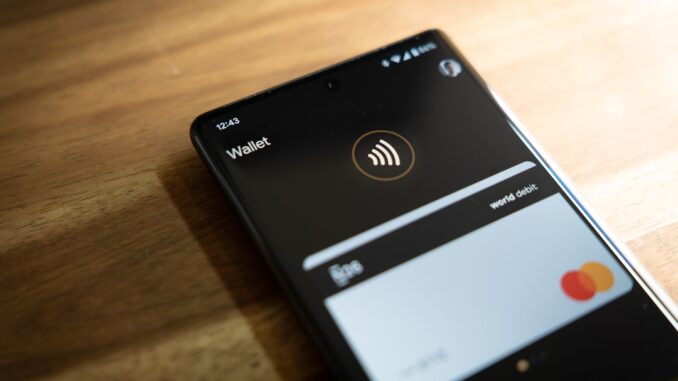

Near Field Communication: Security Vulnerabilities, Attack Vectors, and Comprehensive Mitigation Strategies
Many thanks to our sponsor Esdebe who helped us prepare this research report.
Abstract
Near Field Communication (NFC) has transitioned from a niche technology to an indispensable component of modern digital infrastructure, facilitating seamless and intuitive interactions across diverse applications, including secure mobile payments, sophisticated access control systems, and the burgeoning Internet of Things (IoT). Its inherent convenience and operational efficiency have fueled its rapid and widespread adoption. However, this pervasive integration has concurrently exposed NFC to a complex landscape of security vulnerabilities, rendering it an increasingly attractive target for sophisticated cybercriminals. This comprehensive report embarks on a meticulous exploration of the foundational technical principles underpinning NFC, dissects its multifaceted applications across various sectors, and presents an exhaustive analysis of its inherent security weaknesses. Furthermore, it articulates detailed, multi-layered strategies for effectively mitigating NFC-related risks and delineates a robust framework of best practices designed to fortify the security posture of NFC-enabled devices and transactions against evolving threats. The insights presented aim to foster a deeper understanding of NFC security dynamics and guide the implementation of resilient safeguards.
Many thanks to our sponsor Esdebe who helped us prepare this research report.
1. Introduction
Near Field Communication (NFC) represents a cutting-edge, short-range wireless communication technology engineered to enable data exchange between devices situated in close proximity, typically within a maximum distance of 10 centimeters. Co-invented by Philips and Sony in 2002 and later standardized, NFC emerged from a confluence of existing radio-frequency identification (RFID) technologies. Its design prioritizes speed and simplicity for transactional and data exchange purposes, making it profoundly suitable for a wide array of applications where quick, intuitive interactions are paramount. Since its formal inception and subsequent standardization by the NFC Forum, NFC has witnessed an exponential integration into consumer electronics, infrastructure, and enterprise solutions. The ubiquitous presence of NFC modules in contemporary smartphones, smartwatches, and payment terminals underscores its criticality in facilitating modern digital lifestyles.
From the effortless tap-to-pay functionality that has redefined retail transactions to the streamlined access provided by digital keys in corporate environments and the simplified device pairing within smart homes, NFC has demonstrably enhanced user experience and operational efficiency across countless domains. The convenience it offers — eliminating the need for complex pairing processes, manual data entry, or cumbersome physical cards — has been a primary driver of its rapid adoption. This ease of use, however, is often juxtaposed with inherent security challenges. The very characteristics that make NFC convenient, such as its short range and automatic connection initiation, also introduce a unique set of vulnerabilities that, if left unaddressed, can be exploited by malicious actors. As NFC-enabled systems increasingly handle sensitive data, including financial information, personal identifiers, and access credentials, a thorough and continuous examination of its security landscape becomes not merely prudent but imperative. This report aims to provide such an examination, offering both a granular understanding of NFC’s technical underpinnings and a strategic roadmap for its secure deployment and utilization.
Many thanks to our sponsor Esdebe who helped us prepare this research report.
2. Technical Foundations of Near Field Communication
To thoroughly grasp the security implications of NFC, it is essential to delve into its fundamental technical architecture, operational principles, and the standards that govern its interoperability.
2.1. Fundamental Principles and Operating Mechanism
NFC operates on the principles of electromagnetic induction, a phenomenon distinct from the radio wave propagation used by technologies like Wi-Fi or Bluetooth. At its core, NFC leverages two coils of wire acting as antennas, forming a loosely coupled transformer. When an active NFC device (the initiator or reader) generates a high-frequency alternating magnetic field at 13.56 MHz, it induces an electrical current in the coil of a passive NFC device (the target or tag) brought into its proximity. This process, known as resonant inductive coupling, allows for power and data transfer without physical contact.
The 13.56 MHz frequency band is an unlicensed Industrial, Scientific, and Medical (ISM) radio band, allowing for global deployment without specific licensing requirements, which has contributed significantly to NFC’s widespread adoption. The short operating range, typically up to 10 centimeters, is not a limitation but a deliberate design choice that enhances security by making eavesdropping more challenging than with longer-range wireless technologies. This also means NFC devices typically consume very little power, especially passive tags which draw all their power from the initiator’s magnetic field.
NFC devices employ various modulation schemes to encode data onto the 13.56 MHz carrier wave. The primary modulation techniques include Amplitude Shift Keying (ASK) with different subcarrier frequencies and phase modulation. Data rates typically range from 106 kbit/s to 424 kbit/s, though newer specifications allow for higher rates up to 6.78 Mbit/s, facilitating faster transactions and larger data exchanges. The communication is half-duplex, meaning devices take turns transmitting and receiving, managed by precise timing and arbitration protocols.
2.2. NFC Standards and Protocols
NFC is not a single standard but rather a harmonized set of standards, predominantly defined by the International Organization for Standardization (ISO) and the International Electrotechnical Commission (IEC), along with specifications from the NFC Forum. These standards ensure the interoperability, reliability, and security of NFC across diverse manufacturers and applications.
-
ISO/IEC 14443 (Proximity Cards): This foundational standard defines the parameters for contactless integrated circuit cards, commonly known as ‘proximity cards,’ operating at 13.56 MHz. It specifies physical characteristics, radio frequency power and signal interface, initialization and anti-collision protocols, and transmission protocols. It is further divided into two primary types:
- ISO/IEC 14443 Type A: Widely adopted globally, particularly for payment systems (e.g., EMVCo specifications) and electronic passports. It uses Modified Miller encoding for data from the card to the reader and Manchester encoding for data from the reader to the card.
- ISO/IEC 14443 Type B: Predominantly used in secure identification documents and some payment systems (e.g., French national identity cards). It uses NRZ-L encoding with BPSK modulation, offering robust performance in certain environments.
Both types include anti-collision mechanisms to ensure multiple cards in the field can be individually selected and communicated with.
-
ISO/IEC 15693 (Vicinity Cards): This standard specifies the parameters for ‘vicinity cards,’ which also operate at 13.56 MHz but allow for a longer read range, typically up to 1 meter. It is often used in applications requiring slightly greater distances, such as inventory tracking, library management, and supply chain logistics. While offering greater range, it generally has lower data rates compared to ISO/IEC 14443, and its security considerations differ due to the extended operating distance.
-
ISO/IEC 18092 (NFCIP-1 – Near Field Communication Interface and Protocol-1): This is the core NFC standard that defines the communication modes and protocols for NFC-enabled devices. It builds upon and extends the ISO/IEC 14443 and ISO/IEC 15693 specifications, detailing how two active NFC devices can establish peer-to-peer communication and how an active device can interact with passive NFC tags. It defines the modulation, coding, and frame format for various data rates, ensuring seamless interaction between different NFC devices.
-
NFC Forum Specifications: Beyond the ISO/IEC standards, the NFC Forum — an industry association — develops and promotes specifications that ensure interoperability and facilitate the development of NFC applications. Key specifications include:
- NFC Data Exchange Format (NDEF): A standardized message format that allows NFC devices to exchange various types of data, such as URLs, text, contact information, and application launch records. NDEF messages can be stored on NFC tags or exchanged between devices in peer-to-peer mode.
- NFC Record Type Definition (RTD): Defines standard record types within NDEF messages, enabling universal interpretation of data (e.g., Smart Poster RTD, URI RTD, Text RTD).
- NFC Controller Interface (NCI): Defines the interface between an NFC controller (the hardware component responsible for NFC communication) and the host processor (e.g., smartphone CPU), facilitating standardized software development.
- Tag Types (Type 1-5): The NFC Forum also defines five distinct tag types, each with varying memory capacities, data rates, and security features, based on underlying ISO/IEC standards like ISO/IEC 14443-A/B and ISO/IEC 15693. These tags are fundamental for reader/writer mode applications.
2.3. NFC Communication Modes
NFC devices are versatile and can operate in three primary communication modes, each tailored for specific use cases and presenting distinct security considerations.
2.3.1. Reader/Writer Mode
In reader/writer mode, an active NFC device (e.g., a smartphone) reads data from or writes data to a passive NFC tag. This mode is conceptually similar to how a conventional RFID reader interacts with a tag. The active device generates the magnetic field that powers the passive tag and initiates the communication. Typical applications include reading smart posters for event information, tapping product labels for authenticity verification, or scanning NFC tags to initiate specific actions on a smartphone (e.g., connecting to a Wi-Fi network, launching an app). Security in this mode primarily revolves around the integrity and authenticity of the data on the NFC tag and the secure handling of that data by the reading device.
2.3.2. Peer-to-Peer Mode
Peer-to-peer (P2P) mode enables two active NFC devices (e.g., two smartphones) to exchange data directly with each other. In this mode, both devices can act as an initiator or a target, dynamically switching roles during the communication process. This bidirectional data exchange is facilitated by the Logical Link Control Protocol (LLCP), which provides connection-oriented and connectionless data transmission services over NFCIP-1. Examples include sharing photos, contacts, URLs, or initiating a Bluetooth pairing session by tapping two smartphones together. Security concerns here include unauthorized data transfer, eavesdropping on the exchanged data, and potential malware transmission if one device is compromised.
2.3.3. Card Emulation Mode
In card emulation mode, an NFC-enabled device (e.g., a smartphone) mimics the functionality of a contactless smart card, allowing it to be used for payments, access control, or ticketing without requiring a physical card. This mode is foundational for mobile payment services like Apple Pay, Google Wallet, and Samsung Pay. There are two primary architectural approaches for card emulation:
- Secure Element (SE): This is a tamper-resistant hardware chip, typically embedded in the device (e.g., SIM card, embedded SE, microSD card), dedicated to securely storing sensitive data (e.g., cryptographic keys, payment credentials) and executing secure applications. The SE provides a highly secure environment, isolating sensitive operations from the device’s main operating system, making it resilient against software-based attacks. Communication between the NFC controller and the SE is typically via a secure APDU (Application Protocol Data Unit) channel.
- Host Card Emulation (HCE): Introduced with Android 4.4 KitKat, HCE allows any application on the device’s main processor to emulate an NFC card without requiring a dedicated Secure Element. In HCE, the NFC controller routes APDU commands directly to the host CPU, where a software application handles the card emulation logic. While offering greater flexibility for developers and enabling faster deployment, HCE places a higher burden on the operating system and applications to maintain security. To compensate for the lack of a hardware SE, HCE typically relies on robust software security measures, cryptographic techniques, and tokenization (replacing actual card numbers with unique, single-use tokens) to protect sensitive data.
Each communication mode presents a unique risk profile, necessitating tailored security measures and considerations during design and deployment. Understanding these technical foundations is the first step toward building robust NFC security architectures.
Many thanks to our sponsor Esdebe who helped us prepare this research report.
3. Applications of Near Field Communication
NFC’s versatility and convenience have propelled its integration into a wide spectrum of applications, transforming user interactions across various sectors. The primary use cases range from simplifying financial transactions to enhancing personal data exchange and enabling seamless IoT device management.
3.1. Mobile Payments
NFC has fundamentally revolutionized the landscape of retail payments, offering consumers a secure and highly convenient alternative to traditional credit and debit cards. Services like Apple Pay, Google Wallet, and Samsung Pay leverage NFC’s card emulation mode, allowing users to make transactions by simply tapping their smartphones, smartwatches, or other NFC-enabled wearables against compatible payment terminals. The underlying security architecture for mobile payments is multifaceted:
- Tokenization: Instead of transmitting actual primary account numbers (PANs), NFC payment systems typically employ tokenization. A unique, single-use, or transaction-specific token is generated and transmitted during payment, which replaces the sensitive card number. If intercepted, this token is useless outside the specific transaction context, significantly reducing the risk of fraud from data breaches.
- Secure Elements (SE) / Host Card Emulation (HCE): As discussed, SEs provide a hardware-based secure environment for storing payment credentials, while HCE relies on robust software and cloud-based security. Both aim to protect sensitive data from the device’s main operating system.
- EMVCo Standards: The payment ecosystem adheres to EMVCo specifications (Europay, MasterCard, and Visa), which define the global standard for secure payments. EMV chip technology, extended to contactless (EMV Contactless), mandates cryptographic processes for transaction authorization and ensures interoperability.
- User Authentication: For enhanced security, most mobile payment platforms require user authentication (e.g., PIN, fingerprint, facial recognition, passcode) before authorizing a transaction, especially for amounts exceeding a predefined threshold. This multi-factor authentication layer adds significant protection against unauthorized use of a lost or stolen device. The convenience of NFC payments, combined with these robust security layers, has fostered immense consumer trust and adoption.
3.2. Access Control Systems
NFC is widely deployed in physical and logical access control systems, streamlining entry to restricted areas and authenticating users to digital resources. Its applications span corporate offices, government buildings, public transportation, residential complexes, and event venues.
- Physical Access: NFC-enabled cards (e.g., employee badges, key fobs), smartphones, or wearables can replace traditional key cards to unlock doors, turnstiles, or gates. The NFC reader authenticates the credential presented by the user, often by verifying unique identifiers and cryptographic keys stored securely on the NFC chip. Advanced systems integrate dynamic codes or challenge-response protocols to prevent cloning and replay attacks.
- Logical Access: NFC can also facilitate secure login to computer systems, networks, or VPNs. By tapping an NFC-enabled device, users can fulfill a multi-factor authentication requirement, adding a layer of security beyond passwords. This is particularly relevant in environments requiring strong authentication for sensitive data.
- Public Transportation: NFC plays a crucial role in modern transit systems globally. Passengers can use NFC-enabled smart cards (like London’s Oyster Card, Japan’s Suica, or various city transit passes) or mobile phones (via card emulation) to tap and pay for fares. This increases throughput, reduces queues, and offers greater convenience. Security here relies on the robust encryption of fare data and mechanisms to prevent ticket cloning or fraudulent top-ups.
3.3. Internet of Things (IoT) and Device Pairing
NFC simplifies the traditionally complex process of device pairing and configuration within the Internet of Things ecosystem. Its short-range nature makes it ideal for ‘touch-to-connect’ functionality.
- Simplified Onboarding: Users can pair their smartphones with new NFC-enabled smart home devices (e.g., smart lights, thermostats, speakers, health trackers) by simply tapping them together. The NFC interaction often automatically exchanges network credentials (Wi-Fi SSID and password) or Bluetooth pairing information, initiating a more robust, longer-range connection (Wi-Fi or Bluetooth) without manual configuration.
- Device Configuration and Control: NFC tags embedded in IoT devices can store configuration settings or links to management applications. A tap can launch an app, apply specific settings, or retrieve device status. This streamlines initial setup and ongoing management, enhancing user experience.
- Product Authentication and Supply Chain: NFC tags can be embedded in products to provide authenticity verification for consumers and track items throughout the supply chain. Tapping a product can reveal manufacturing details, origin, and verify legitimacy, combating counterfeiting. In healthcare, NFC can simplify pairing medical devices with patient monitoring systems or securely access patient records.
3.4. Data Exchange and Information Retrieval
Beyond payments and access, NFC enables straightforward, intuitive data exchange and information retrieval in various contexts.
- Smart Posters and Interactive Advertising: NFC tags embedded in posters, billboards, or product displays allow users to tap their phones to instantly access websites, watch videos, download coupons, or get event information. This creates an interactive physical-digital experience.
- Digital Business Cards: Exchanging contact information becomes instantaneous by tapping two NFC-enabled phones or tapping a phone against an NFC business card.
- Personal Automation: Users can program NFC tags to trigger specific actions on their smartphones, such as changing settings (e.g., silent mode, Wi-Fi on/off) upon entering a specific location or launching a preferred app.
The widespread adoption across these diverse applications underscores NFC’s utility, but also highlights the critical need for robust security measures to protect the integrity and confidentiality of the data being exchanged and the systems being accessed.
Many thanks to our sponsor Esdebe who helped us prepare this research report.
4. Security Vulnerabilities in NFC
Despite its short operating range and perceived security advantages, NFC is susceptible to a range of sophisticated attack vectors. These vulnerabilities stem from the fundamental nature of radio frequency communication, protocol design choices, and implementation flaws. Understanding these threats is paramount for developing effective countermeasures.
4.1. Eavesdropping (Sniffing)
Eavesdropping, also known as sniffing, involves the unauthorized interception of data transmitted between two NFC devices. While NFC’s short range (typically under 10 cm) is often cited as a security feature, making ‘overhearing’ more difficult than with Wi-Fi or Bluetooth, specialized equipment can still facilitate this attack.
- Technical Details: Attackers can utilize sensitive antennae and signal processing equipment to detect and decode NFC communications even at distances slightly beyond the intended operational range, often up to several tens of centimeters, or even a few meters with highly optimized setups. The magnetic field used by NFC radiates, albeit weakly, allowing for signal leakage. Without adequate encryption, any data exchanged, such as payment card details, personal identification numbers (PINs), access credentials, or sensitive peer-to-peer data, can be captured and compromised. Passive sniffing involves simply listening to the communication, while active sniffing might involve introducing interference to force retransmissions, thereby capturing more data. The ease of eavesdropping depends on the signal strength, the presence of obstacles, and the sophistication of the attacker’s equipment. For instance, payment systems using basic NFC tags without advanced encryption are particularly vulnerable if sensitive data is transmitted in plain text.
4.2. Data Manipulation (Tampering and MITM Attacks)
Data manipulation involves an attacker altering the legitimate data exchanged between NFC devices or stored on an NFC tag. This can lead to various malicious outcomes, from redirecting users to fraudulent sites to compromising system integrity.
- Man-in-the-Middle (MITM) Attacks: In a classic MITM scenario, an attacker positions themselves logically or physically between two communicating NFC devices, intercepting, reading, and potentially altering data before relaying it to the legitimate recipient. For example, if an NFC application sends a command to a backend server through an NFC-enabled device, an MITM attacker could intercept this command, modify its parameters (e.g., change the amount of a transaction, alter access permissions), and then forward the malicious request. This is particularly dangerous if cryptographic integrity checks are absent or poorly implemented. The short range makes a physical MITM more challenging but not impossible, especially if the attacker can place their device in the direct communication path.
- Malicious Tag Writing/Spoofing: Attackers can alter data on reprogrammable NFC tags or create entirely new malicious tags. For instance, a legitimate smart poster tag containing a URL for an event could be rewritten to redirect users to a phishing website that mimics a legitimate service, thereby harvesting credentials. Similarly, malicious NFC tags could contain NDEF records designed to exploit known vulnerabilities in NFC reader applications or operating systems, potentially leading to malware installation or remote code execution upon interaction. This is often referred to as an ‘NFC bomb’ attack.
- Transaction Interception and Modification: In payment or access control scenarios, an attacker might attempt to intercept a transaction request and modify details like the transaction amount, destination account, or access credentials. If the data is not cryptographically signed or authenticated at each step, such modifications might go undetected until financial losses or security breaches occur.
4.3. Relay Attacks (Skimming and Tunneling)
Relay attacks are among the most sophisticated and concerning threats to NFC systems, enabling attackers to bypass the inherent distance limitations of NFC to perform unauthorized transactions or access. These attacks often involve two distinct components:
- Technical Mechanism: A relay attack typically involves two attacker-controlled devices: a ‘skimmer’ or ‘forwarder’ device placed near the victim’s legitimate NFC device (e.g., smartphone, payment card), and a ‘responder’ device positioned near the legitimate NFC reader/terminal. The forwarder intercepts the NFC signal from the victim and transmits it over a longer-range medium (e.g., Wi-Fi, Bluetooth, cellular network) to the responder. The responder then re-transmits this signal to the legitimate reader, mimicking the victim’s device being in direct contact. The communication from the reader back to the ‘victim’ is relayed in the opposite direction. This effectively creates a ‘tunnel’ that extends the NFC communication range, allowing attackers to perform actions as if the victim’s device were physically present at the distant terminal.
- Impact on Payments and Access Control: This attack can be used to make unauthorized payments from a victim’s card/phone at a distant POS terminal, or to gain access to a secure area using a relayed access credential. The critical challenge in mitigating relay attacks is that the legitimate NFC devices and readers perceive the transaction as valid, as the cryptographic challenge-response sequence is correctly relayed.
- NGate Malware Example: The NGate Android malware campaign, discovered by ESET Research (ESET, 2024), exemplifies the real-world threat of relay attacks. NGate transformed a compromised Android phone into a sophisticated NFC relay device. The malware allowed remote attackers to initiate payment card transactions from a victim’s device by relaying NFC traffic. Specifically, it was used to perform unauthorized ATM withdrawals. The compromised Android device acted as the ‘forwarder,’ reading payment card data via NFC from the victim’s phone (in card emulation mode) and relaying it to another Android phone (the ‘responder’) positioned at an ATM. This second phone then emulated the victim’s card, tricking the ATM into dispensing cash. This campaign highlighted the technical feasibility and significant financial implications of such attacks, especially when combined with malware.
4.4. Denial of Service (DoS)
Denial of Service (DoS) attacks aim to disrupt the normal operation of NFC systems, preventing legitimate users from accessing services or making transactions. While not directly leading to data compromise, DoS attacks can severely impact the availability and reliability of NFC-dependent infrastructure.
- Jamming: Attackers can use radio frequency jamming devices to flood the 13.56 MHz NFC channel with noise, overpowering legitimate NFC signals. This prevents NFC devices from establishing or maintaining communication, effectively shutting down NFC services in a given area. For instance, a jammer could disrupt mobile payments at a busy retail checkout, preventing customers from paying, or disable access control systems, hindering entry to buildings.
- Continuous Polling/Flooding: An attacker could continuously poll or attempt to communicate with an NFC device or reader, tying up its resources and preventing it from responding to legitimate requests. While less common due to NFC’s short range, a rogue NFC device could potentially exhaust battery life or processing capacity of a legitimate device within very close proximity.
4.5. Brute-Force and Impersonation
These attacks target the authentication mechanisms of NFC systems, attempting to guess credentials or impersonate legitimate devices.
- Brute-Forcing Weak Credentials: If NFC tags or applications rely on weak or predictable authentication mechanisms (e.g., short PINs, sequential identifiers), attackers can systematically try combinations to gain unauthorized access. For instance, some older or poorly configured access control systems might use predictable UIDs (Unique Identifiers) that can be cloned or guessed.
- Card Cloning: If an NFC card’s data is not adequately protected with strong cryptography, an attacker could read the card’s contents (UID, stored data, authentication keys) and write it onto a blank NFC card. This cloned card could then be used to impersonate the legitimate cardholder for access control or, in some limited scenarios, for payments (though modern payment systems use dynamic cryptographic values to mitigate this).
4.6. Malware and Phishing via NFC
NFC can serve as an initial vector for malware delivery or phishing attempts, exploiting user trust and device vulnerabilities.
- Malicious NFC Tags (NFC Bombs): As mentioned, an attacker can embed an NFC tag with a URL pointing to a malicious website that hosts malware, exploits browser vulnerabilities, or serves phishing content. When a user taps their NFC-enabled device on such a tag, they are unknowingly directed to a compromised site. This could lead to drive-by downloads, credential harvesting, or exploitation of zero-day vulnerabilities in the device’s web browser or operating system.
- NFC-Enabled Malware on Devices: Malware residing on a smartphone could leverage the device’s NFC capabilities to spread to other NFC-enabled devices. For instance, malware could attempt to write malicious NDEF messages to any NFC tag it encounters or exploit peer-to-peer mode to infect other nearby phones. The NGate malware, beyond relaying, demonstrates how malware can leverage NFC functionality for illicit activities directly from a compromised device.
4.7. Lost/Stolen Device Exploitation
The loss or theft of an NFC-enabled device, particularly a smartphone with mobile payment capabilities, presents a significant security risk if not properly secured.
- Unauthorized Transactions: If a lost or stolen phone lacks robust screen lock, PIN, or biometric authentication, an attacker could potentially use its NFC payment functionality to make unauthorized purchases. While many payment apps require authentication for high-value transactions, smaller ‘tap-and-go’ payments without explicit authorization can still be a risk.
- Access to Sensitive Data: Beyond payments, a compromised device could allow access to other NFC-related applications, such as digital keys for access control, potentially compromising physical security or sensitive personal data linked to NFC interactions.
4.8. Side-Channel Attacks
While more complex to execute, side-channel attacks can target the underlying hardware of NFC devices, particularly Secure Elements.
- Power Analysis and Electromagnetic Analysis: Attackers can monitor the power consumption or electromagnetic emanations of an NFC chip or Secure Element during cryptographic operations. Subtle variations in power consumption or EM radiation can reveal information about the cryptographic keys being used, potentially allowing attackers to extract these keys and compromise the secure element’s integrity. These attacks typically require physical access to the device and specialized laboratory equipment, but they represent a fundamental threat to the hardware security of NFC implementations.
The diverse nature of these vulnerabilities underscores that NFC security is not merely about its short range but involves a multi-layered approach addressing protocol design, software implementation, hardware security, and user behavior.
Many thanks to our sponsor Esdebe who helped us prepare this research report.
5. Comprehensive Mitigation Strategies
Addressing the multifaceted security vulnerabilities of NFC requires a holistic and multi-layered approach, encompassing robust technical controls, secure development practices, and extensive user education. Effective mitigation strategies aim to protect confidentiality, integrity, and availability across all NFC communication modes and applications.
5.1. Robust Cryptographic Implementations
Cryptography forms the bedrock of secure NFC communication, protecting data from eavesdropping, manipulation, and unauthorized access.
- Encryption for Confidentiality:
- Symmetric Encryption (e.g., AES-128, AES-256): Data transmitted over NFC should be encrypted using strong symmetric algorithms. This ensures that even if an attacker successfully eavesdrops on the communication, the intercepted data remains unintelligible without the decryption key. For payment tokens or sensitive personal data, end-to-end encryption from the NFC device to the backend server is crucial.
- Asymmetric Encryption (e.g., RSA, ECC): While typically too computationally intensive for direct data encryption in real-time NFC transactions, asymmetric cryptography plays a vital role in secure key exchange and digital signatures. It enables secure establishment of symmetric session keys between devices without prior shared secrets.
- Digital Signatures for Integrity and Authenticity:
- Implementing digital signatures (e.g., using ECC-based algorithms) on NFC data messages ensures that the data has not been tampered with in transit and originates from a legitimate source. Each transaction or data exchange should be signed by the sending device, and the signature verified by the receiving device. This directly counters data manipulation and MITM attacks.
- Secure Key Management: The strength of cryptographic solutions hinges on secure key management. This involves:
- Key Generation and Distribution: Keys should be generated securely, preferably within a hardware secure element, and distributed through authenticated channels.
- Key Storage: Cryptographic keys, especially private keys, must be stored in tamper-resistant hardware (e.g., Secure Elements, Hardware Security Modules – HSMs) and never exposed in plain text.
- Key Rotation and Lifecycle Management: Keys should have limited lifespans and be regularly rotated to minimize the impact of a potential compromise. Proper key revocation mechanisms must also be in place.
- Randomized UIDs/Identifiers: To prevent tracking and impersonation based on static identifiers, NFC devices and tags should utilize randomized or privacy-enhanced unique identifiers (UIDs) that change frequently. This makes it significantly harder for attackers to clone legitimate credentials or track individuals based on their NFC interactions.
5.2. Strong Authentication Mechanisms
Authentication verifies the identity of communicating entities, ensuring that only authorized devices and users can participate in NFC interactions.
- Multi-Factor Authentication (MFA): For sensitive operations like mobile payments or access control, relying solely on NFC proximity is insufficient. MFA should be mandatory, combining something the user knows (e.g., PIN, password), something the user has (the NFC device), and something the user is (e.g., biometric authentication like fingerprint or facial recognition). This significantly raises the bar for attackers trying to exploit lost/stolen devices or perform unauthorized transactions.
- Challenge-Response Protocols: For mutual authentication, NFC systems should implement challenge-response protocols. One device sends a random challenge, and the other device must respond with a cryptographically derived answer using a shared secret key. This proves identity without transmitting the secret key itself, making impersonation extremely difficult and countering replay attacks.
- Secure Elements (SE) vs. Host Card Emulation (HCE) Security:
- Secure Elements (SE): For applications demanding the highest level of security (e.g., payment, highly sensitive access control), hardware Secure Elements are preferred. They provide a dedicated, isolated, and tamper-resistant environment for storing cryptographic keys and executing sensitive code, making them resilient against software-based attacks from the host OS. Manufacturers and service providers must ensure the SE’s integrity throughout its lifecycle.
- Host Card Emulation (HCE): While more flexible, HCE implementations must compensate for the lack of a hardware SE through robust software security. This includes rigorous application sandboxing, strong encryption of credentials on the host processor, tokenization of payment data, and reliance on the device’s Trusted Execution Environment (TEE) where available. Regular security audits of HCE applications are critical.
- Tokenization for Payments: As noted, tokenization replaces sensitive payment card data with unique, cryptographically generated tokens. This ensures that even if transaction data is intercepted, the underlying payment card number is not exposed, rendering the token useless for subsequent fraudulent activities.
5.3. Secure Application Development
Security must be an integral part of the entire NFC application development lifecycle, from design to deployment and maintenance.
- Input Validation and Sanitization: All data received from NFC tags or other NFC devices must be rigorously validated and sanitized to prevent injection attacks (e.g., SQL injection, command injection) that could exploit vulnerabilities in the application processing the NFC data. This is particularly important for applications reading NDEF messages which can contain various data types.
- Secure Coding Practices: Developers must adhere to established secure coding guidelines (e.g., OWASP Mobile Security Project). This includes minimizing the attack surface, avoiding common vulnerabilities like buffer overflows, improper error handling, and hardcoding sensitive credentials.
- Principle of Least Privilege: NFC applications should only request and be granted the minimum necessary permissions to perform their intended functions. Over-privileged applications pose a greater risk if compromised.
- Secure Storage: Sensitive data, configuration files, and cryptographic keys stored on the device by NFC applications must be protected using strong encryption and stored in secure, isolated storage areas, rather than publicly accessible directories.
- Sandboxing: NFC applications should operate within a secure sandbox provided by the operating system, isolating them from other applications and critical system resources. This limits the blast radius in case an application is compromised.
- API Security: When NFC applications interact with backend services, all API calls must be secured using HTTPS/TLS, robust authentication tokens, and API gateway security measures.
5.4. Proximity-Aware Security and User Interaction
Leveraging the inherent short-range characteristic of NFC to enhance security and involving the user in security decisions.
- Distance Bounding Protocols: These protocols aim to precisely measure the distance between two NFC devices, making it virtually impossible to perform relay attacks. By measuring the round-trip time of very short radio pulses, these protocols can verify that the two devices are indeed within the expected physical proximity. While technically challenging to implement reliably and efficiently, ongoing research and standardization efforts are focused on integrating distance bounding into future NFC specifications to directly counter relay attacks.
- Received Signal Strength Indicator (RSSI) Analysis: While less precise than distance bounding, analyzing RSSI can provide an indication of proximity. Significant deviations in expected signal strength could potentially flag a suspicious relay attempt, although environmental factors can make this challenging.
- User Confirmation for Transactions: For all sensitive NFC transactions (e.g., payments, access requests), explicit user confirmation should be required. This can be a tap on a ‘confirm’ button on the screen, a PIN entry, or biometric verification. This ensures the user is aware of and approves the action, mitigating unauthorized transactions and providing a check against silent relay attacks.
- Visual and Audible Cues: Clear visual indicators on the NFC reader (e.g., ‘Payment Accepted’ green light) and audible confirmations on the user’s device can reassure users of successful and legitimate transactions, helping to detect anomalies.
5.5. Regular Security Audits and Penetration Testing
Proactive security assessments are crucial for identifying and remediating vulnerabilities before they can be exploited.
- Vulnerability Assessments: Regular scanning and analysis of NFC infrastructure, applications, and devices to identify known vulnerabilities, misconfigurations, and weaknesses in their security posture.
- Penetration Testing: Ethical hackers simulate real-world attacks against NFC systems to test their resilience. This includes attempting eavesdropping, data manipulation, relay attacks, and attempts to compromise NFC applications or backend systems. Penetration tests should be conducted periodically and after any significant changes to the NFC system.
- Threat Modeling: During the design phase, thorough threat modeling should be performed to identify potential attack vectors and vulnerabilities specific to the NFC application’s architecture and context. This enables security controls to be designed in from the outset.
- Compliance and Standards: Adherence to relevant industry standards and certifications (e.g., PCI DSS for payment systems, ISO 27001 for information security management) provides a framework for robust security practices.
5.6. Firmware and Software Updates
Timely updates are critical for patching known vulnerabilities and improving the security of NFC devices and applications.
- Operating System (OS) Updates: Users and organizations must ensure that their NFC-enabled devices (smartphones, payment terminals, access readers) run the latest operating system versions, as these often include patches for NFC-related security flaws.
- Application and Firmware Updates: NFC applications, drivers, and the firmware of NFC chips should be regularly updated. These updates often contain critical security fixes for newly discovered vulnerabilities or enhancements to cryptographic libraries.
- Automated Update Mechanisms: Where possible, automated and secure update mechanisms should be implemented to ensure that devices receive patches promptly without user intervention, reducing the window of vulnerability.
5.7. Environmental and Operational Security
Physical security and operational procedures also play a role in securing NFC systems.
- Physical Security of Readers/Terminals: NFC readers and payment terminals must be physically secured against tampering. This includes anti-skimming measures for payment terminals and securing access readers against physical compromise or cloning attempts.
- Secure Provisioning: The process of provisioning NFC tags, cards, or mobile credentials with sensitive data must be highly secure, involving encrypted channels and authenticated processes to prevent initial compromise.
- Supply Chain Security: Ensuring the integrity and security of NFC chips and components from manufacturing through deployment is vital to prevent hardware-based attacks or the introduction of malicious backdoors.
By systematically implementing these comprehensive mitigation strategies, organizations and users can significantly enhance the security posture of NFC systems, reducing the likelihood and impact of successful attacks.
Many thanks to our sponsor Esdebe who helped us prepare this research report.
6. Best Practices for Securing NFC-Enabled Devices and Transactions
Implementing robust security measures requires a combination of technical controls, diligent user behavior, and proactive organizational policies. Adhering to these best practices can significantly enhance the security of NFC-enabled devices and transactions.
6.1. For Individual Users
Individual users are often the first line of defense against NFC-related threats. Educating oneself and adopting secure habits are paramount:
- Use Strong Device Authentication: Always enable and utilize robust screen lock mechanisms on your NFC-enabled smartphone or device. This includes strong PINs, complex passcodes, fingerprint recognition, or facial authentication. This is the primary defense against unauthorized use of a lost or stolen device for NFC payments or access.
- Disable NFC When Not in Use: Many NFC-enabled devices allow users to toggle the NFC functionality on or off. While modern devices are designed to be secure even when NFC is active, disabling it when not explicitly required reduces the exposure window to potential opportunistic attacks, conserves battery life, and eliminates the risk of accidental taps.
- Be Wary of Unknown NFC Tags and Prompts: Exercise extreme caution when encountering unfamiliar NFC tags (e.g., on public surfaces, suspicious advertisements). Do not tap your device on tags from untrusted sources, as they could contain malicious links or trigger harmful actions (NFC bombs). Similarly, be skeptical of unexpected NFC prompts on your device, especially those requesting sensitive information.
- Download Apps from Official Sources Only: Always download and install NFC-enabled applications (e.g., mobile wallets, transit apps, access control apps) exclusively from official and trusted application stores (e.g., Google Play Store, Apple App Store). Avoid third-party app stores or direct downloads, as these sources are more likely to distribute malicious or compromised applications.
- Monitor Transactions Regularly: Frequently review your bank statements, credit card activity, and digital wallet transaction history for any unauthorized or suspicious NFC-related charges. Promptly report any discrepancies to your financial institution or service provider.
- Keep Software Updated: Ensure your smartphone’s operating system, NFC drivers, and all NFC-enabled applications are consistently updated to the latest versions. Software updates often contain critical security patches that address newly discovered vulnerabilities.
- Understand App Permissions: Before installing an NFC application, review its requested permissions carefully. Grant only those permissions that are absolutely necessary for the app’s functionality. Be suspicious of apps requesting excessive or irrelevant permissions.
- Use Screen Lock for Payments: Where available, enable and use the setting that requires device authentication (PIN, fingerprint, face ID) for every NFC payment, regardless of the transaction amount. This prevents ‘tap-and-go’ transactions without explicit user intent.
6.2. For Organizations and Service Providers
Organizations deploying or managing NFC systems have a greater responsibility to implement robust security architectures and operational procedures.
- Implement Robust Device and Credential Management Policies: Establish clear policies for the issuance, provisioning, management, and revocation of NFC credentials (e.g., employee access cards, mobile access tokens). Ensure that lost or stolen credentials can be immediately deactivated.
- Provide Regular Security Awareness Training: Educate employees, customers, and partners about the specific risks associated with NFC technology and the best practices for secure usage. This includes identifying social engineering tactics that leverage NFC.
- Encrypt Sensitive Data on NFC Tags: For applications using NFC tags to store data (e.g., inventory management, asset tracking), ensure that any sensitive information is encrypted. Avoid storing personally identifiable information (PII) or critical business data in plain text on easily accessible tags.
- Utilize Tamper-Evident NFC Tags: For physical asset tracking or product authentication, consider using tamper-evident NFC tags that visibly indicate if they have been removed or interfered with, adding a physical security layer.
- Employ Enterprise-Grade Access Control Systems: For physical and logical access control, deploy NFC systems that incorporate strong mutual authentication, cryptographic key management, and robust backend server security. Avoid relying solely on static UIDs for authentication.
- Regularly Review and Update Security Policies: NFC technology and its associated threats are continuously evolving. Organizations must periodically review and update their NFC security policies, procedures, and technical controls to adapt to new vulnerabilities and advancements.
- Secure the Entire Ecosystem: Recognize that NFC is often just one component of a larger system. Ensure that the entire attack surface, including backend servers, network infrastructure, mobile applications, and payment gateways, is secured according to industry best practices and compliance standards (e.g., PCI DSS, GDPR, HIPAA).
- Implement Anti-Relay Measures: Where possible and practical, deploy NFC systems that incorporate anti-relay attack mechanisms, such as distance bounding protocols or transaction value limits combined with mandatory user re-authentication for higher-value transactions.
- Conduct Penetration Testing of NFC Implementations: Beyond general IT security audits, commission specialized penetration tests that focus specifically on NFC vulnerabilities, including attempts at eavesdropping, data manipulation, relay attacks, and cloning of credentials.
By integrating these best practices into both individual user habits and organizational security frameworks, the significant benefits of NFC can be harnessed while minimizing exposure to its inherent security risks.
Many thanks to our sponsor Esdebe who helped us prepare this research report.
7. Future Trends and Emerging Challenges in NFC Security
The landscape of NFC technology and its security implications is continuously evolving. As NFC finds new applications and integrates with other advanced technologies, new trends emerge, bringing both opportunities for enhanced security and novel challenges.
7.1. Enhanced Security Features and Standards
- Hardware-Based Security Evolution: The role of Secure Elements (SEs) is expected to strengthen, with tighter integration into device architectures and potentially more advanced tamper-detection and anti-side-channel features. Trusted Execution Environments (TEEs) are also becoming more commonplace, offering a protected space for sensitive computations even in HCE-based systems. Research into more robust physical unclonable functions (PUFs) could provide truly unique and unclonable hardware identifiers for NFC chips.
- Advanced Anti-Relay Techniques: While distance bounding protocols face implementation challenges, the imperative to mitigate relay attacks will drive further research and standardization. Solutions involving ultra-wideband (UWB) technology, which can provide highly precise ranging capabilities, might eventually integrate with NFC to definitively measure proximity and thwart relay attacks by verifying that devices are truly within the specified short range.
- Quantum-Resistant Cryptography (QRC): As quantum computing capabilities advance, current asymmetric cryptographic algorithms (like RSA and ECC) could become vulnerable. The transition to quantum-resistant or post-quantum cryptography (PQC) will be a significant future trend for NFC, especially for long-term key storage and digital signature schemes that underpin payment and identity systems. Standardization efforts by NIST and other bodies are already underway, and NFC implementations will need to adapt.
7.2. Integration with Emerging Technologies
- NFC and Blockchain: The combination of NFC with blockchain technology presents intriguing possibilities for enhanced security and transparency. NFC tags could act as physical anchors for digital assets or credentials stored on a blockchain, providing immutable proof of authenticity, ownership, or transaction history. This could revolutionize supply chain tracking, product authentication, and secure digital identity management, making it much harder to forge or tamper with NFC-linked data. For example, an NFC-enabled product could link to its entire provenance history on a distributed ledger.
- Biometric Integration: While current NFC payments often use biometrics for user authentication, future applications might see deeper integration, such as biometric data (e.g., fingerprint templates) being securely stored on NFC chips themselves or being used for highly secure, seamless multi-factor authentication directly at the point of interaction, bypassing the need for a separate device authentication step.
- NFC in Automotive: NFC is increasingly being integrated into modern vehicles for digital key functionalities, personalized car settings, and secure infotainment system pairing. The security implications here are significant, as vulnerabilities could lead to vehicle theft or unauthorized access to sensitive vehicle data. Robust hardware security and strong mutual authentication will be critical.
- NFC in Healthcare: The use of NFC for patient identification, secure access to medical records, and simplified pairing of medical devices (e.g., glucose meters, wearables) with monitoring systems offers immense potential. However, protecting highly sensitive patient data (PHI) will demand the highest levels of encryption, access control, and compliance with regulations like HIPAA.
7.3. Regulatory Landscape and Compliance
- Data Privacy Regulations: Global data protection regulations such as the General Data Protection Regulation (GDPR) in Europe and various state-level privacy laws in the U.S. will continue to shape how NFC applications handle personal data. Ensuring transparency, user consent, data minimization, and secure data processing for NFC interactions will be paramount.
- Payment Card Industry Data Security Standard (PCI DSS): For NFC-enabled payment systems, adherence to PCI DSS will remain a critical compliance requirement, focusing on securing cardholder data throughout the transaction lifecycle, including tokenization, encryption, and secure network architectures. The evolution of contactless payment regulations will continue to influence NFC security requirements.
- Industry-Specific Standards: As NFC expands into new sectors like healthcare and automotive, specific industry regulatory bodies will likely develop tailored security standards and best practices for NFC deployments in those domains, addressing unique risk profiles.
7.4. Evolving Attack Vectors and Countermeasures
- Sophistication of Relay Attacks: As defensive measures improve, attackers will likely develop more sophisticated relay attack techniques, potentially leveraging advanced network capabilities or exploiting latency compensation methods. This necessitates ongoing research into more robust anti-relay countermeasures.
- AI/ML-Driven Attacks and Defenses: Artificial intelligence and machine learning could be used by attackers to identify patterns in NFC traffic for more effective eavesdropping or to develop more intelligent phishing campaigns. Conversely, AI/ML could also be employed in defensive systems to detect anomalous NFC behavior, identify potential threats in real-time, and enhance fraud detection for NFC transactions.
- Software-Defined NFC: The increasing programmability of NFC controllers might lead to more flexible and dynamic NFC applications but could also introduce new software-based attack surfaces if not secured properly. Secure firmware updates and trusted execution environments will become even more critical.
The future of NFC is characterized by continued innovation and broader integration. Addressing these emerging trends and challenges through proactive security research, robust standardization, and adaptive implementation will be crucial to maintaining trust and ensuring the secure widespread adoption of this transformative technology.
Many thanks to our sponsor Esdebe who helped us prepare this research report.
8. Conclusion
Near Field Communication stands as a pivotal technology of the 21st century, fundamentally reshaping how individuals interact with their devices, conduct transactions, and navigate physical and digital spaces. Its unparalleled convenience and efficiency have propelled its integration into critical applications spanning mobile payments, sophisticated access control systems, and the expansive Internet of Things ecosystem. However, the very attributes that define NFC’s utility — its short-range, automatic connection initiation, and diverse communication modes — concurrently expose it to a discernible array of security vulnerabilities. These threats, ranging from passive eavesdropping and active data manipulation to the increasingly sophisticated relay attacks exemplified by campaigns such as NGate, underscore the imperative for a vigilant and comprehensive security posture.
This report has meticulously dissected the technical underpinnings of NFC, outlining the foundational standards (ISO/IEC 14443, 15693, 18092) and communication modes (Reader/Writer, Peer-to-Peer, Card Emulation) that govern its operation. A detailed examination of its applications highlighted the transformative potential in various sectors, while a granular analysis of its vulnerabilities revealed the critical attack vectors that malicious actors exploit. Crucially, the report has advanced a multi-layered framework of mitigation strategies, emphasizing the non-negotiable role of robust cryptographic implementations, strong multi-factor authentication, secure application development methodologies, proximity-aware security solutions, and continuous security auditing. These technical safeguards, when combined with essential user education and adherence to organizational best practices, form a resilient defense against evolving threats.
The future trajectory of NFC promises even deeper integration with emerging technologies like blockchain for immutable authentication, advanced biometrics for seamless verification, and its expansion into highly sensitive domains such as automotive and healthcare. This evolution will inevitably introduce novel security challenges, necessitating a sustained commitment to research, standardization of advanced security features (e.g., quantum-resistant cryptography, refined anti-relay techniques), and adaptive regulatory compliance. Ultimately, fostering enduring trust and ensuring the secure widespread adoption of NFC hinges on the collective efforts of developers, manufacturers, service providers, and end-users alike to prioritize and rigorously implement security measures. Only through such a concerted and continuous approach can the full potential of Near Field Communication be realized securely.
Many thanks to our sponsor Esdebe who helped us prepare this research report.
References
- CERT Polska. Analysis of NGate malware campaign (NFC relay). November 2025. https://cert.pl/en/posts/2025/11/analiza-ngate/
- EMVCo. EMV Contactless Specifications. https://www.emvco.com/specifications/contactless-specifications/ (Accessed October 26, 2024).
- ESET. ESET Research discovers NGate: Android malware, which relays NFC traffic to steal victim’s cash from ATMs. August 22, 2024. https://www.eset.com/us/about/newsroom/research/eset-research-discovers-ngate-android-malware-which-relays-nfc-traffic-to-steal-victims-cash-from-atms-1/
- ESET. NGate Android malware relays NFC traffic to steal cash. August 2024. https://www.welivesecurity.com/en/eset-research/ngate-android-malware-relays-nfc-traffic-to-steal-cash/
- EuropaWire. ESET Uncovers NGate: New Android Malware Exploits NFC Data for ATM Theft. August 23, 2024. https://news.europawire.eu/eset-uncovers-ngate-new-android-malware-exploits-nfc-data-for-atm-theft/eu-press-release/2024/08/23/10/00/23/139268/
- Huntress. What is NFC in Cybersecurity? Risks & Security Tips. https://www.huntress.com/cybersecurity-101/topics/near-field-communication (Accessed October 26, 2024).
- ISO/IEC 14443-1:2018. Identification cards — Contactless integrated circuit cards — Proximity cards — Part 1: Physical characteristics. https://www.iso.org/standard/71618.html (Accessed October 26, 2024).
- ISO/IEC 15693-1:2018. Identification cards — Contactless integrated circuit cards — Vicinity cards — Part 1: Physical characteristics. https://www.iso.org/standard/71620.html (Accessed October 26, 2024).
- ISO/IEC 18092:2021. Information technology — Near Field Communication — NFC Interface and Protocol-1 (NFCIP-1). https://www.iso.org/standard/78720.html (Accessed October 26, 2024).
- NFC Forum. NFC Forum Technical Specifications. https://nfc-forum.org/technical-specifications/ (Accessed October 26, 2024).
- YouTube. NGate malware: clone / relay NFC credit or debit card data. April 5, 2025. https://www.youtube.com/watch?v=si1_DpkloRw (Accessed October 26, 2024).
- Zugenmaier, S. (2012). Near Field Communication (NFC): A practical guide to security. Syngress.