
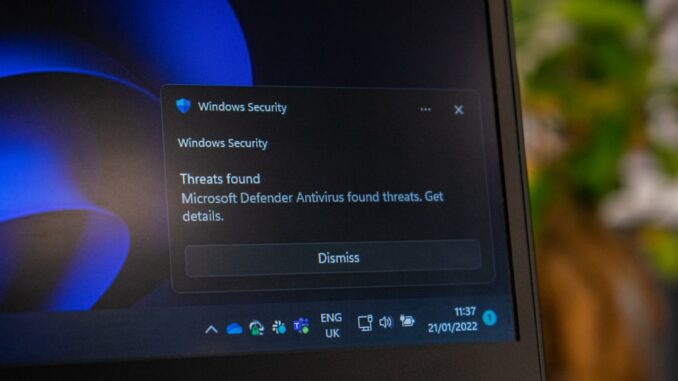

UK’s Digital Battleground: Navigating the Escalating Cyber Threat Landscape
It’s no secret the digital world often feels like a wild west, but for the United Kingdom, that feeling is becoming a stark reality. In 2025, the UK cemented its unfortunate position as the third most targeted nation for malware attacks globally, trailing only the United States and Canada. Just think about that for a second. Over a three-month period, our nation weathered more than 100 million cyberattacks, marking a 7% jump from the previous quarter. That’s not just a statistic; it’s a flashing red light, illuminating the increasingly complex and relentless threat landscape we’re all navigating. It underscores, rather dramatically, the urgent need for robust, proactive cybersecurity measures across every sector.
The Unrelenting Tide: Understanding the Surge in Cyberattacks
This isn’t merely a statistical blip, is it? The surge in cyberattacks signals something far more sinister: the ever-growing sophistication, audacity, and sheer volume of cyber threats aiming directly at our digital doorstep. Cybercriminals aren’t just faceless entities in some distant land anymore; they’re actively, relentlessly targeting everyday internet users, businesses large and small, and even critical national infrastructure.
Dont let data threats slow you downTrueNAS offers enterprise-level protection.
You know, it’s quite remarkable how varied their tactics are becoming. We’re talking about a multi-pronged assault using everything from insidious phishing emails that look eerily legitimate to deceptive fake text messages (smishing, they call it) and malicious websites designed to steal your credentials the moment you click. And let’s not forget the ever-present danger of infected attachments, lurking in emails, waiting for an unsuspecting click to unleash their payload. Remember that high-profile incident where a major UK-based financial institution found itself entangled in a sophisticated phishing scam? It led to significant data breaches and, frankly, eye-watering financial losses. That wasn’t just bad luck; it was a carefully orchestrated attack exploiting human trust and system vulnerabilities, a story we’re hearing with unsettling regularity.
The Evolving Arsenal of Attackers
The toolbox of a modern cybercriminal is incredibly diverse. Beyond general malware, we’re seeing an array of specialized threats:
- Trojans: These appear as legitimate software but carry malicious intent, often creating backdoors for further attacks.
- Rootkits: Designed to gain root-level access to a computer system, they’re notoriously hard to detect and remove.
- Spyware and Adware: While sometimes less overtly destructive, these compromise privacy by monitoring activities and delivering unwanted ads.
- Worms: Self-replicating, they spread across networks, often without human interaction, consuming bandwidth and causing system degradation.
Moreover, the attack vectors are multiplying. We’re talking about supply chain attacks, where a weakness in one vendor’s security can compromise an entire ecosystem of clients. Then there are zero-day exploits, capitalizing on previously unknown software vulnerabilities before developers even have a chance to patch them. And with the explosion of the Internet of Things (IoT), our smart homes and cities are opening up new, often less-secured, entry points for attackers. Unpatched software, frankly, remains a gaping wound many organisations just don’t patch quick enough, leaving them wide open.
What truly makes these threats so potent is the human element. Social engineering, the art of manipulating individuals into divulging confidential information or performing actions that benefit the attacker, is central to many successful breaches. Just last month, a colleague of mine almost fell victim to a vishing (voice phishing) scam; the caller sounded so professional, claiming to be from their bank about ‘unusual activity’. It really highlighted how easily even tech-savvy individuals can be swayed under pressure. It’s not just about technology, is it? It’s often about exploiting our natural human tendencies to trust or react quickly.
And let’s not overlook the shadowy world of Advanced Persistent Threats (APTs). These aren’t your run-of-the-mill hackers; we’re often talking about state-sponsored groups or highly organised criminal syndicates with deep pockets and even deeper technical capabilities. They patiently infiltrate networks, often remaining undetected for months, meticulously exfiltrating data or setting the stage for future disruptive operations. Their motivations range from espionage and intellectual property theft to destabilizing critical infrastructure.
The Ripple Effect: Profound Impacts on Businesses and Consumers
The ramifications of these relentless cyberattacks are, to put it mildly, profound. It’s not just about some abstract data; it’s about real people, real livelihoods, and real economic stability. Businesses, particularly the backbone of our economy – small and medium-sized enterprises (SMEs) – are bearing the brunt of this digital onslaught. A recent UK government survey, quite frankly, laid it bare: 43% of UK businesses reported a cyber incident each year, with that figure climbing significantly for medium and large organisations. You can imagine the dread when an SME, perhaps a local accounting firm or a boutique manufacturer, discovers its systems are locked down or its customer data compromised.
Business Under Siege: Financial, Operational, and Reputational Costs
The financial implications alone are staggering. Cybercrime now costs the UK economy an estimated £27 billion annually. That’s a huge sum, a figure that could otherwise fuel innovation, create jobs, or improve public services. But the costs extend far beyond direct financial losses.
- Recovery and Remediation: Think about the emergency IT teams, the forensic investigations, the hours of downtime, and the complete system rebuilds. These aren’t cheap.
- Regulatory Fines: The GDPR, for instance, isn’t just a suggestion; it carries hefty penalties for data breaches, often in the millions. These can cripple a smaller business.
- Legal Fees and Litigation: Lawsuits from affected customers or business partners, not to mention the legal costs of dealing with regulatory bodies, can quickly spiral out of control.
- Insurance Premiums: Cyber insurance, once a niche product, is becoming essential, but premiums are rising sharply as the risk grows.
Beyond the money, the operational impacts are equally devastating. Downtime can halt production, disrupt supply chains, and completely sever a business’s ability to serve its customers. Data loss, whether customer records or proprietary designs, can be irreplaceable. And then there’s the insidious damage to a company’s reputation and the erosion of customer trust. Once trust is broken, it’s incredibly difficult, sometimes impossible, to regain. I spoke with a small online retailer recently who, after a data breach, saw a 30% drop in sales almost overnight. ‘Customers just didn’t feel safe,’ he told me, a disheartened look on his face. ‘We’re rebuilding, but it’s a hard road.’ This really highlights the long-term scarring effects of a breach.
SMEs are particularly vulnerable. They often lack the dedicated cybersecurity staff, the sophisticated tools, or the budget that larger enterprises can deploy. They’re often seen as ‘low-hanging fruit’ by attackers, a weaker link in the supply chain that can be leveraged to reach bigger targets. This cascading effect means a successful attack on a small supplier can potentially compromise a multinational corporation, truly showcasing how interconnected our digital ecosystem has become.
Consumers on the Front Lines: Identity Theft and Financial Fraud
It isn’t just businesses feeling the heat. Consumers are very much in the crosshairs. With personal data being stolen and misused, the specter of identity theft and financial fraud looms large. Imagine the nightmare of waking up to discover fraudulent credit cards opened in your name, your bank account drained, or loans taken out you never applied for. The financial damage is obvious, but the psychological toll – the stress, anxiety, and feeling of violation – is often overlooked. It’s truly a sense of losing control over your own life, isn’t it?
Our data, from our addresses and dates of birth to our banking details and medical records, is highly prized by criminals. Once it’s out there on the dark web, it can be traded, sold, and used for various nefarious purposes. It makes you wonder, sometimes, about the true cost of convenience in our hyper-connected world.
Ransomware’s Grip: The Dominant Threat within the Malware Landscape
Ransomware, without a doubt, remains a dominant and terrifying threat within the broader malware landscape. In the first half of 2024, the UK, distressingly, accounted for 7% of global ransomware attacks, placing us second only to the United States. It’s a stark reminder of the financial allure and disruptive power of this particular strain of cybercrime. The manufacturing sector, fascinatingly, bore the brunt, experiencing 22% of these attacks. Why manufacturing, you ask? Often, it’s due to reliance on older, unpatched operational technology (OT) systems that are critical to production but weren’t designed with modern cybersecurity in mind. Any disruption can bring an entire production line to a grinding halt, making them highly susceptible to paying a ransom to minimize downtime and avoid massive financial losses.
The Mechanics and Market of Ransomware
So, how does it work? Typically, ransomware encrypts a victim’s files, rendering them inaccessible. The attacker then demands a ransom, usually in cryptocurrency like Bitcoin, for the decryption key. It’s a simple, yet incredibly effective, extortion model. The rise of ransomware-as-a-service (RaaS) models has, frankly, democratized cybercrime. This means even individuals with limited technical expertise can now launch sophisticated attacks. RaaS kits, often found on dark web forums, provide everything from the malware itself to infrastructure for communicating with victims and processing payments. It’s a full-service illicit business model, and it’s brought an entirely new cohort of malicious actors into the fray.
This trend clearly underscores the critical need for organisations to adopt not just reactive but proactive security measures. You simply can’t afford to be behind the curve. Staying informed about emerging threats, understanding the latest attack methodologies, and continuously adapting your defenses are no longer optional; they’re existential.
The Ransom Dilemma and Prevention Strategies
The choice of whether to pay a ransom is an excruciating one. On one hand, paying might be the fastest way to regain access to critical data and resume operations, potentially saving the business from bankruptcy. On the other hand, it funds criminal enterprises, validates their business model, and offers no guarantee of data recovery. Law enforcement agencies generally advise against paying, primarily to avoid encouraging future attacks. This is where robust incident response plans and comprehensive cyber insurance policies really come into their own, helping companies navigate this treacherous decision-making process.
Effective prevention, however, is always the best defense. This includes:
- Robust Backup Strategies: Regularly backing up critical data, and crucially, testing those backups, can mitigate the impact of an encryption attack.
- Network Segmentation: Dividing networks into smaller, isolated segments can contain the spread of ransomware if a breach occurs.
- Endpoint Protection: Advanced antivirus and endpoint detection and response (EDR) solutions are vital for catching and neutralizing threats at the device level.
- Regular Patching and Updates: Keeping all software and operating systems up to date closes known vulnerabilities that attackers frequently exploit.
- Security Awareness Training: Educating employees about phishing, suspicious links, and safe online practices remains one of the most cost-effective defenses.
A United Front: Government and Industry Responses
In response to this escalating cyber threat, the UK government hasn’t been sitting idly by. We’ve seen decisive actions, such as imposing sanctions on Russian intelligence officers directly linked to cyberattacks targeting UK institutions. These measures aren’t just symbolic; they aim to disrupt the operations of state-sponsored cybercriminals, freeze their assets, and, most importantly, deter future attacks. It sends a clear message: we won’t tolerate these incursions into our digital sovereignty.
Government’s Multi-Layered Approach
The UK’s approach is multi-layered and comprehensive. The National Cyber Security Centre (NCSC), part of GCHQ, stands at the forefront, providing expert advice, guidance, and support to both public and private sectors. Their ‘Cyber Essentials’ scheme, for instance, offers a clear, achievable standard for organisations to protect themselves against common cyber threats. We’re also seeing significant investment in building a robust cyber workforce, with initiatives aimed at reskilling individuals and fostering talent from a young age. It’s about building long-term resilience, isn’t it?
Furthermore, the government plays a crucial role in international cooperation. Collaborating with allies like the ‘Five Eyes’ intelligence partnership and working through organizations like Interpol and Europol allows for shared intelligence, coordinated law enforcement efforts, and joint operations to dismantle global cybercrime networks. This collaborative spirit is absolutely vital, as cybercrime knows no borders.
Industry’s Proactive Stance and Technological Advances
Industry leaders, too, are stepping up, advocating for and implementing enhanced cybersecurity protocols. This includes:
- Regular System Updates: Keeping software patched and current is foundational.
- Comprehensive Monitoring: Constant surveillance of digital networks for anomalies and suspicious activity is paramount.
- Staff Training: Regularly educating employees on recognizing suspicious communications and safe online practices is, arguably, your strongest firewall.
Many businesses are now embracing advanced cybersecurity frameworks like NIST (National Institute of Standards and Technology) or ISO 27001, providing a structured approach to managing information security risks. Threat intelligence sharing through industry-specific Information Sharing and Analysis Centers (ISACs) has become increasingly common, allowing organizations to learn from each other’s experiences and proactively defend against emerging threats. And, let’s be honest, the role of Managed Security Service Providers (MSSPs) is growing exponentially, offering specialized expertise that many in-house teams just can’t match.
Technological advancements are also playing a huge part. We’re seeing AI and machine learning being deployed to detect subtle patterns in network traffic that humans might miss, offering predictive threat intelligence. Zero Trust architectures, which assume no user or device is trustworthy by default, are gaining traction, along with sophisticated Endpoint Detection and Response (EDR) and Extended Detection and Response (XDR) platforms that offer unparalleled visibility and control over an organization’s digital assets. The emphasis is squarely on a collaborative approach, a collective effort to bolster the nation’s digital infrastructure against an ever-evolving adversary.
Looking Ahead: Navigating Tomorrow’s Digital Risks
The surge in cyberattacks against the UK serves as an unmistakable, rather chilling, reminder of the inherent vulnerabilities in our increasingly digital world. It’s clear that as cybercriminals continue to evolve their tactics, leveraging everything from cutting-edge AI to age-old social engineering tricks, it’s absolutely imperative for both businesses and individual consumers to remain hyper-vigilant. Complacency, you see, is perhaps our biggest weakness.
Emerging Threats on the Horizon
What does the future hold? Well, we can anticipate a continued rise in sophisticated, AI-driven attacks, where malicious algorithms learn and adapt in real-time. Deepfakes, used for highly convincing phishing or misinformation campaigns, will undoubtedly become a more significant threat. The weaponization of quantum computing, though still nascent, poses a long-term existential risk to current encryption standards. And we’ll certainly see more attacks targeting critical national infrastructure – our power grids, water supplies, and transport networks – with potentially devastating real-world consequences. Supply chain attacks will only grow in complexity, exploiting the interconnectedness of global commerce.
Cultivating Cyber Resilience
So, what’s the path forward? Investing strategically in robust cybersecurity measures isn’t just a cost; it’s an absolute necessity, an investment in resilience. This means adopting multi-factor authentication everywhere, encrypting sensitive data, conducting regular security audits, and having comprehensive incident response plans. But it’s also about staying informed about emerging threats, sharing intelligence, and fostering a pervasive culture of security awareness from the top down. Every employee, every citizen, has a role to play. We can’t simply outsource this problem to IT teams or government agencies. It’s a collective responsibility.
It makes you think, doesn’t it? In this constant digital arms race, adaptability and continuous learning aren’t just buzzwords; they’re the very bedrock of our defense. We’re not just protecting data; we’re safeguarding our economy, our privacy, and ultimately, our way of life. Let’s make sure we’re ready for whatever the digital frontier throws at us next.
References
- NordVPN Threat Protection Pro Report, Q2 2025
- IBM X-Force Threat Intelligence Index 2025
- Techn22 Threat Report 2025
- UK Government Cybersecurity Survey 2025
- AP News, ‘UK sanctions Russian intelligence officers who targeted Mariupol theater and family of poisoned spy,’ July 18, 2025
- Tech Digest, ‘UK becomes world’s third most targeted country for cyber attacks,’ August 2025
- The Independent, ‘UK now ranks third in the world for cyber attacks, report says,’ August 2025
- Yahoo News UK, ‘UK now ranks third in the world for cyber attacks, report says,’ August 2025
- The Week, ‘Who are the new-wave hackers bringing the world to a halt?’ October 2025
- AP News, ‘Russian cybercrime network targeted for sanctions across US, UK and Australia,’ February 11, 2025
- TechRadar, ‘US becomes ransomware capital of the world as attacks rise by almost 150 percent,’ August 2025
- ITPro, ‘Ransomware attacks are hitting European enterprises at record pace,’ November 2025
- ZeroThreat.ai, ‘Cyberattack Report 2025: Statistics Every Security Team Needs to See,’ June 2025
- Integrity360, ‘Cyber News Roundup – August 8th 2025,’ August 2025
- Brigantia, ‘Cybersecurity Roundup, August 2025,’ August 2025
- Daily Security Review, ‘UK Now Third Most Targeted Nation for Malware Attacks in 2025,’ December 2025
- CSIS Threat Matrix Report, December 2024
- LastPass Regional Threat Report: Europe 2025
- UK Cyber Security Centre, Bimonthly Threat Update July-August 2025