

Abstract
The integrity of electoral processes is paramount to the functioning of democratic societies. In recent years, the security of voter data has become a critical concern, with numerous incidents highlighting vulnerabilities in the systems that manage this sensitive information. This report examines the nature of voter data, the risks associated with its compromise, ethical and privacy considerations, and best practices for securing such data against sophisticated cyber threats. By analyzing these aspects, the report aims to provide a comprehensive understanding of the challenges and solutions related to voter data security, thereby contributing to the preservation of electoral integrity and public trust.
Many thanks to our sponsor Esdebe who helped us prepare this research report.
1. Introduction
The digitalization of electoral processes has introduced significant efficiencies but also exposed vulnerabilities in the management of voter data. Incidents such as the 2016 breach of the Philippine Commission on Elections, which compromised the personal information of approximately 55 million registered voters, underscore the critical need for robust data protection measures. (en.wikipedia.org) Similarly, the 2024 U.S. election witnessed widespread voter data leaks, with breaches affecting 23 states and approximately 78% of exposed data circulating on the dark web. (constella.ai) These events highlight the imperative to understand the composition of voter data, the potential consequences of its compromise, and the ethical and privacy concerns it raises.
Many thanks to our sponsor Esdebe who helped us prepare this research report.
2. Composition of Voter Data
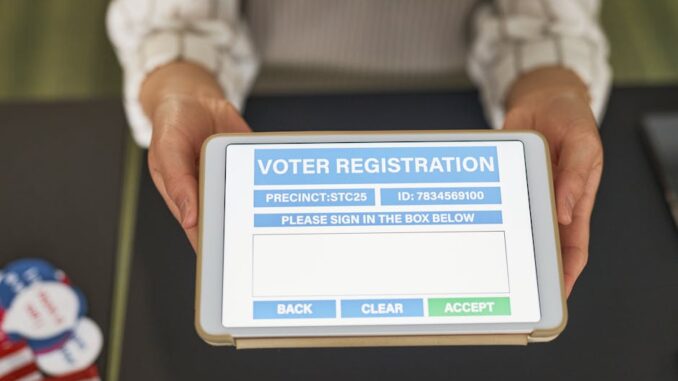
Voter data encompasses a range of personal information collected during the registration process. This typically includes full names, residential addresses, dates of birth, contact details, and, in some jurisdictions, partial Social Security numbers or driver’s license numbers. Such comprehensive datasets are invaluable for electoral authorities in maintaining accurate voter rolls and ensuring the integrity of the voting process. However, the sensitivity of this information necessitates stringent measures to prevent unauthorized access and misuse.
Many thanks to our sponsor Esdebe who helped us prepare this research report.
3. Risks Associated with Compromised Voter Data
The exposure of voter data poses several significant risks:
3.1 Phishing Campaigns
Malicious actors can utilize stolen voter information to craft convincing phishing emails, thereby deceiving individuals into divulging additional personal information or credentials. The use of generative AI tools has further amplified the sophistication and scale of such attacks, making them more challenging to detect and mitigate. (brennancenter.org)
3.2 Influence Operations
Compromised voter data can be exploited to target specific demographics with tailored misinformation or disinformation campaigns, potentially swaying public opinion and influencing election outcomes. The 2016 U.S. elections, for instance, saw Russian state actors accessing voter files, although no evidence indicated that vote tallying was affected. (time.com)
3.3 Identity Theft and Fraud
The availability of personal information such as Social Security numbers and driver’s license details increases the risk of identity theft. Stolen data can be used to open fraudulent accounts, apply for loans, or engage in other illicit activities, leading to financial losses and reputational damage for affected individuals.
3.4 Erosion of Public Trust
Data breaches can significantly undermine public confidence in electoral systems. The 2024 U.S. election saw voter data from breaches being actively traded on deep and dark web forums, posing an ongoing risk to voter privacy and security. (constella.ai) Such incidents can deter voter participation and challenge the legitimacy of election outcomes.
Many thanks to our sponsor Esdebe who helped us prepare this research report.
4. Ethical and Privacy Considerations
The collection, storage, and potential misuse of voter data raise several ethical and privacy concerns:
4.1 Informed Consent
Voters may not be fully aware of the extent to which their personal information is collected, stored, and utilized. Ensuring informed consent is crucial to uphold individual autonomy and trust in the electoral process.
4.2 Data Minimization
Collecting only the necessary information reduces the risk of exposure. Implementing data minimization principles can help mitigate potential harms associated with data breaches.
4.3 Transparency and Accountability
Electoral bodies must be transparent about their data handling practices and accountable for safeguarding voter information. Clear communication regarding data usage and protection measures fosters public trust and compliance.
4.4 Data Retention and Disposal
Establishing policies for the retention and secure disposal of voter data ensures that information is not held longer than necessary, reducing the risk of unauthorized access over time.
Many thanks to our sponsor Esdebe who helped us prepare this research report.
5. Best Practices for Securing Voter Data
To protect voter data against sophisticated cyber threats, electoral bodies should implement the following best practices:
5.1 Robust Authentication Mechanisms
Implementing multi-factor authentication (MFA) for accessing voter registration systems adds an additional layer of security, making unauthorized access more challenging. (cisa.gov)
5.2 Data Encryption
Encrypting voter data both in transit and at rest ensures that even if unauthorized access occurs, the information remains unreadable without the decryption key. (cyber.gc.ca)
5.3 Regular Security Audits
Conducting periodic security assessments helps identify vulnerabilities and implement corrective measures proactively. Independent security reviews of voter registration databases before deployment and periodically thereafter are recommended. (nist.gov)
5.4 Network Segmentation
Dividing networks into distinct segments can limit lateral movement within the network, containing potential breaches and protecting critical systems. (dataminr.com)
5.5 Incident Response Planning
Developing and regularly updating an incident response plan ensures a swift and coordinated reaction to security breaches, minimizing potential damage. (cisa.gov)
5.6 Public Communication Strategies
Maintaining open lines of communication with the public regarding data protection measures and breach responses enhances transparency and trust. (cisa.gov)
Many thanks to our sponsor Esdebe who helped us prepare this research report.
6. Conclusion
The security of voter data is a cornerstone of electoral integrity and public trust. As cyber threats continue to evolve, electoral bodies must adopt comprehensive and proactive strategies to safeguard this sensitive information. By implementing robust security measures, adhering to ethical data handling practices, and fostering transparency, electoral authorities can mitigate risks and uphold the democratic process.
Many thanks to our sponsor Esdebe who helped us prepare this research report.
References
- (en.wikipedia.org)
- (constella.ai)
- (brennancenter.org)
- (time.com)
- (cisa.gov)
- (cyber.gc.ca)
- (nist.gov)
- (dataminr.com)
- (cisa.gov)